Unscented household bleach
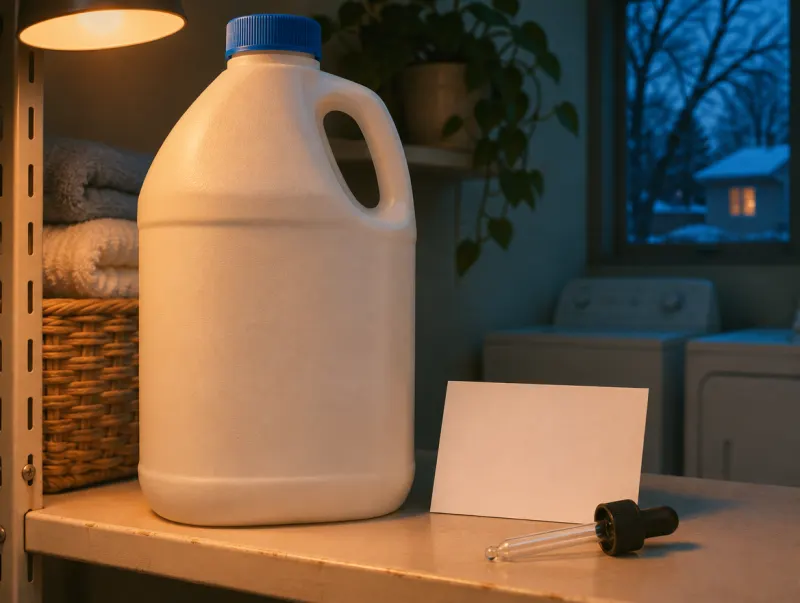
Plain bleach, the backup way to disinfect water when boiling isn't practical.
What it's for
- Disinfects drinking water when you can't boil it, using the amounts on the Health Canada page exactly.
Keep it readyCopy the amount and the waiting time onto a card kept with the bottle. The water lesson links the page they come from.
Be carefulPlain, unscented bleach only: never scented, colour-safe, non-chlorine or bleach with added cleaners. Bleach doesn't remove chemicals from water.
How to use it
- Start with known safe water when available. If authorities advise disinfecting with bleach, match the label's ingredients and concentration to their directions.
- Measure the water and follow the official instructions for that specific product, including the amount and wait. Use a clean container and keep it covered.
- Never mix bleach with other cleaners. Use another water source if there may be chemical contamination or the product cannot be matched to the directions.
Questions people ask
What kind of bleach is safe for drinking water?
Plain, unscented household chlorine bleach. Don't use scented bleach, colour-safe bleach, bleach with added cleaners or non-chlorine bleach.
Where do you buy unscented bleach for water purification?
You don't need a special product, only the right label. Look for regular, unscented chlorine bleach with no scent, colour-safe formula or added cleaner. The label also gives its strength, which matters because official amounts are written for ordinary household bleach.
Does bleach lose strength over time?
Yes. The US EPA says to use fresh bleach, or bleach kept at room temperature for less than a year. Write the date on the bottle when you buy it, and replace it when you rotate your stored water.
Is boiling better than bleach?
Yes. Boiling is the most effective way to make water safe, and bleach is the backup for when boiling isn't practical. Neither one removes chemicals, so water that may have chemicals in it needs another safe source.
How much bleach do you add to drinking water?
Health Canada says to add about 2 drops of unscented 5.25% household bleach to 1 litre (4 cups) of water, stir, and let it sit for 30 minutes. Copy the amounts onto a card kept with the bottle so nobody has to look them up with the power out.
What if the water is cloudy, or doesn't smell of chlorine?
HealthLink BC says you should notice a slight chlorine smell after the wait. If not, add another 2 drops and let it stand another 15 minutes. If the water is cloudy or colder than 10°C (50°F), double the bleach and let it stand 1 to 2 hours.
It can stand in for
- Water purification tabletsBoth are for when you can't boil. Follow the directions for whichever you use.
Related lessons
When it helps
- Told to boil water or not drink itStored water to tide you over, and a safe way to make more.
- Two weeks without the shopsWater and food that last, eaten before they spoil, with a way to cook.
In an emergency, call 911. WeVenture isn't an emergency service.
This guide says what things are for. It's a plain summary, not a guarantee, and it never asks what you have. Amounts, times and distances are in the lessons, beside the official pages they come from.
Where this comes from
This page follows these official pages:
More in water
Knowing how beats owning more
Members do one small challenge a week, keep a private plan for their home, and compare notes under a handle. Nobody is ever asked what they have.
Open it in the app