Gear guide
What everyday things are for, what can stand in for them, and the lesson that shows how. Knowing what one thing can do means needing fewer things.
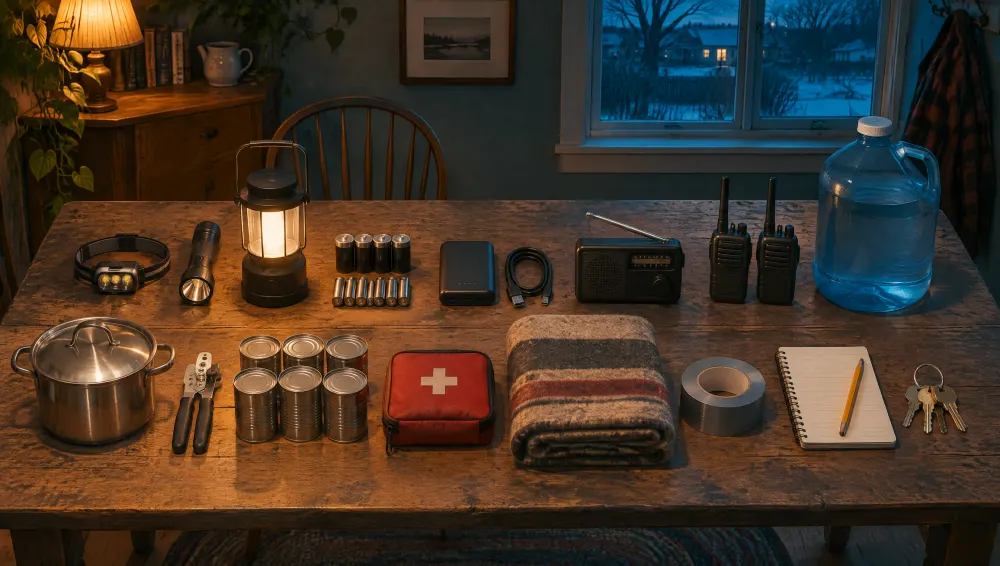
Start from what happened
Pick a situation to see what helps and the lessons that practise it.
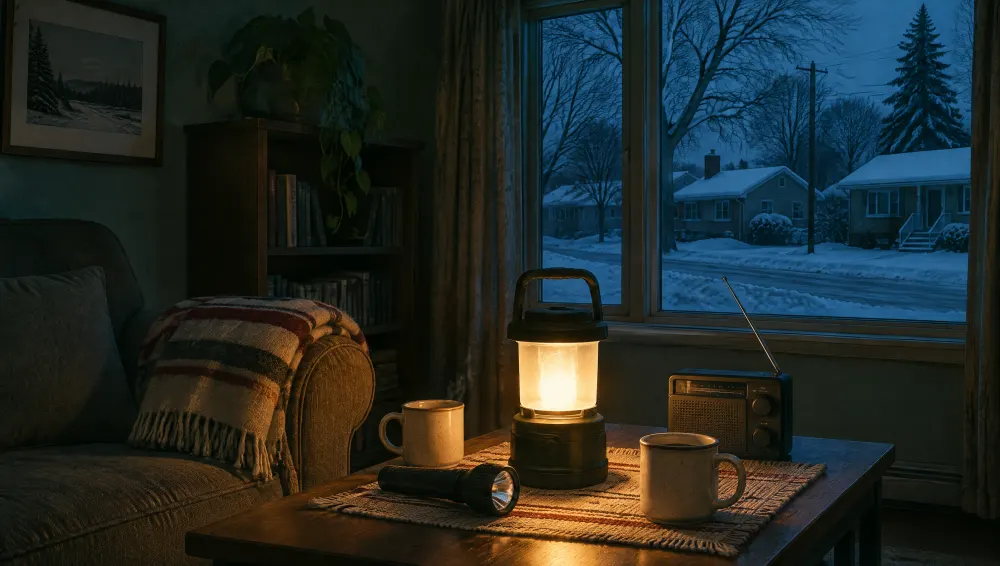 Power out for a nightLight you can find in the dark, news without the internet, and a hot meal cooked safely.23 things
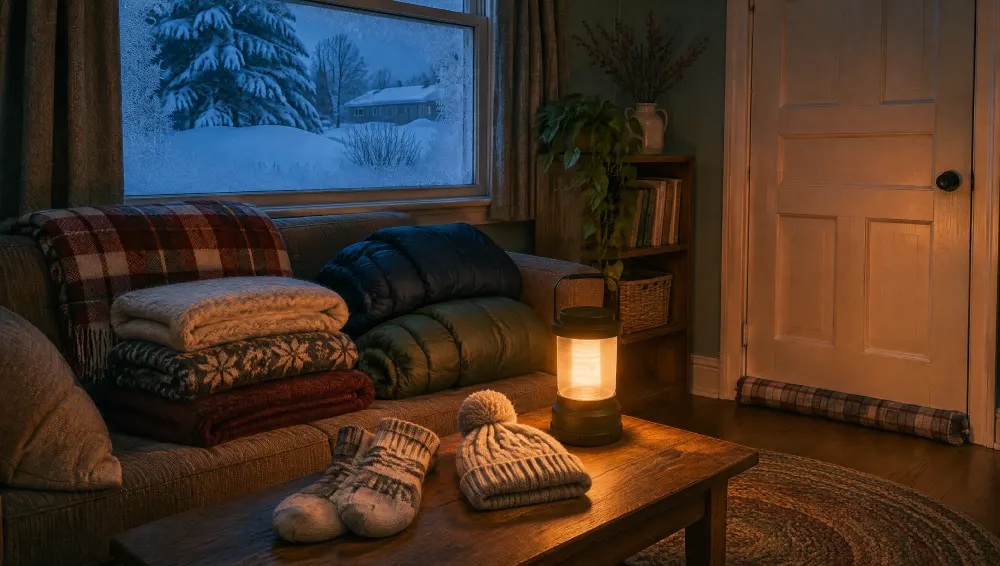 Power out in the coldStaying warm in one room, keeping the pipes from freezing, and keeping fumes out of the house.13 things
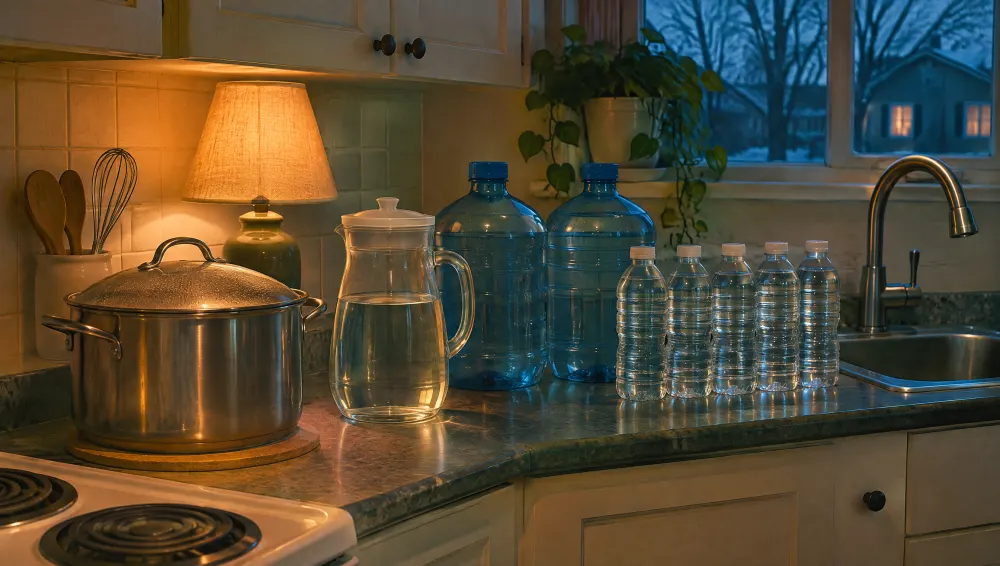 Told to boil water or not drink itStored water to tide you over, and a safe way to make more.9 things
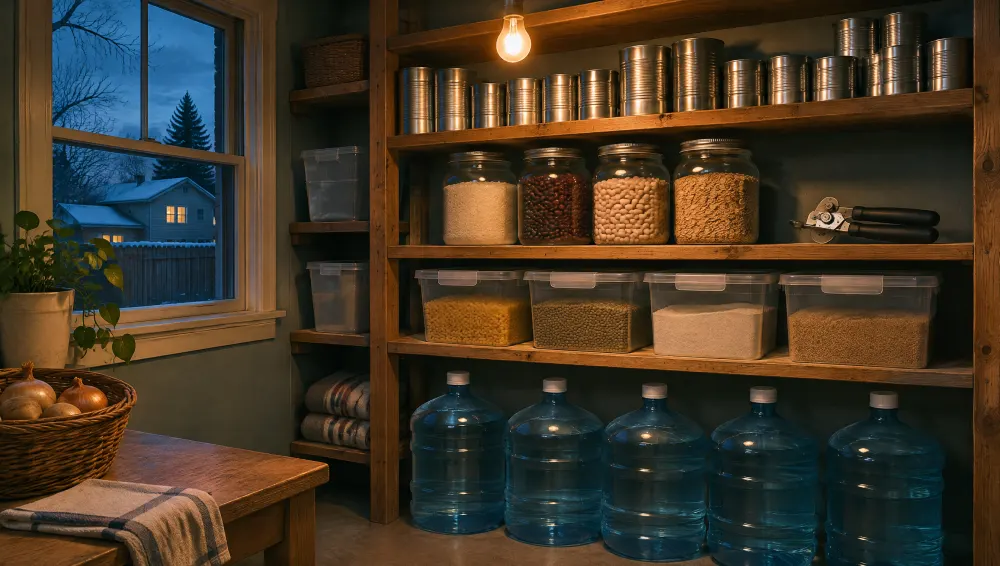 Two weeks without the shopsWater and food that last, eaten before they spoil, with a way to cook.21 things
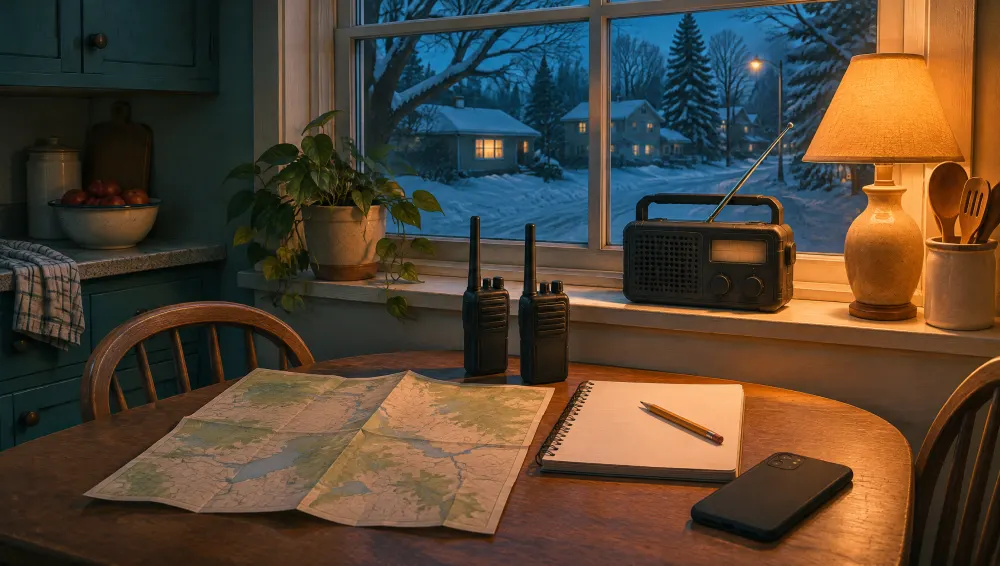 Phones and internet downLocal news on the radio, plans on paper, and ways to reach neighbours without a cell tower.13 things
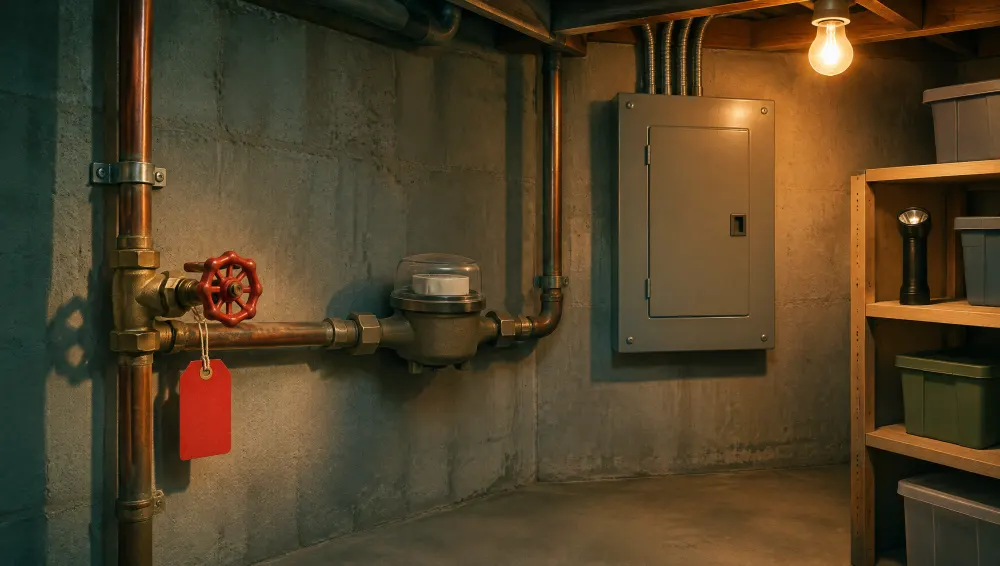 A leak, a flood or a gas smellKnowing where the shut-offs are, and who turns what.9 things
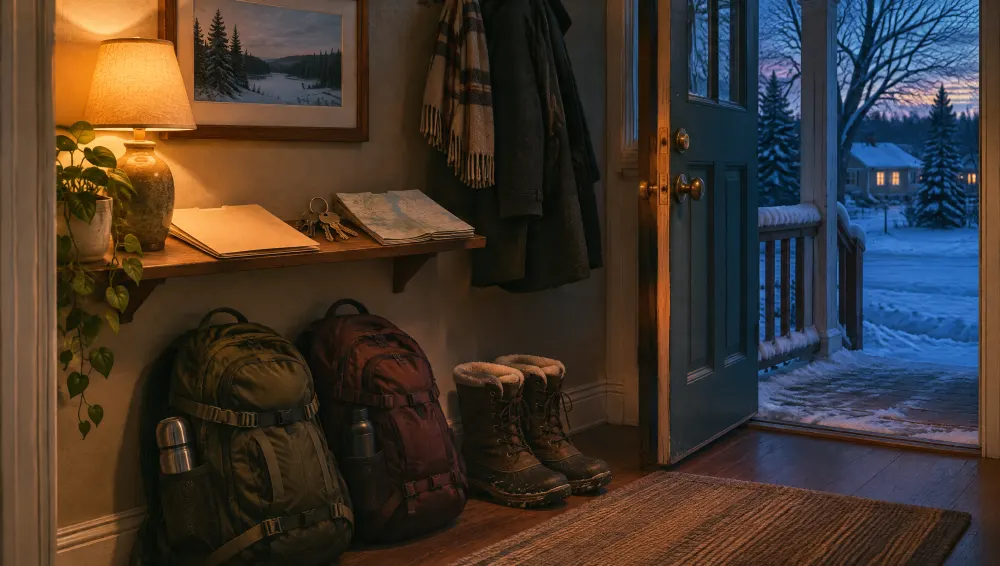 Told to leave homeA bag for each person, papers and keys together, and a route that doesn't need a phone.26 things
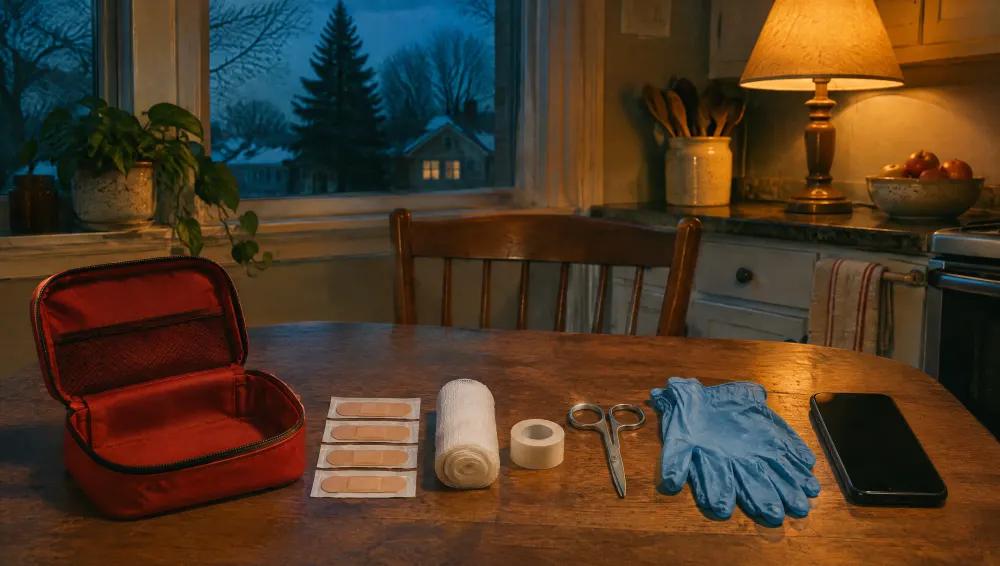 Someone's hurtA kit everyone can find, and hands that have practised using it.4 things
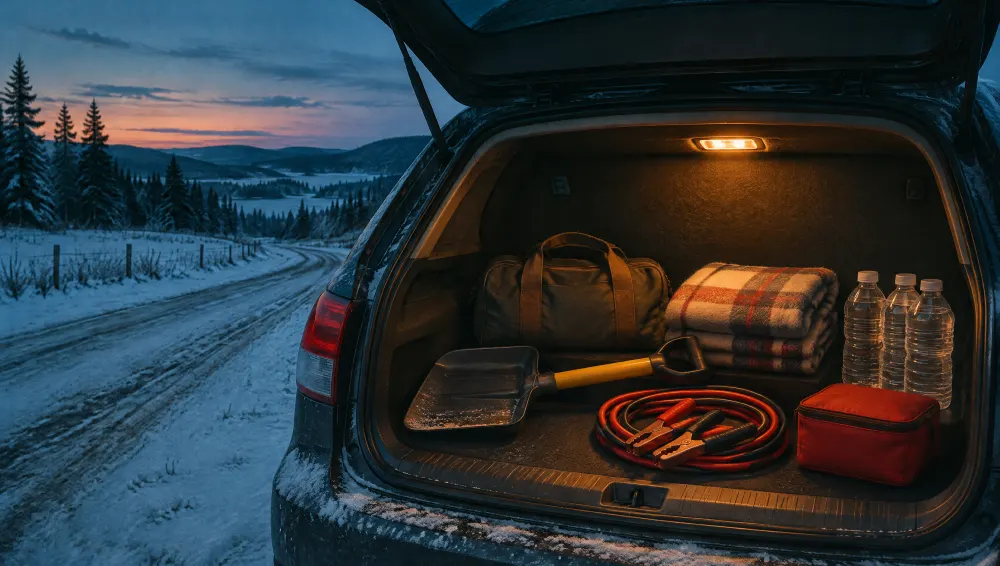 Stuck in the car in winterA small bag in the trunk, for the times it happens away from home.11 things
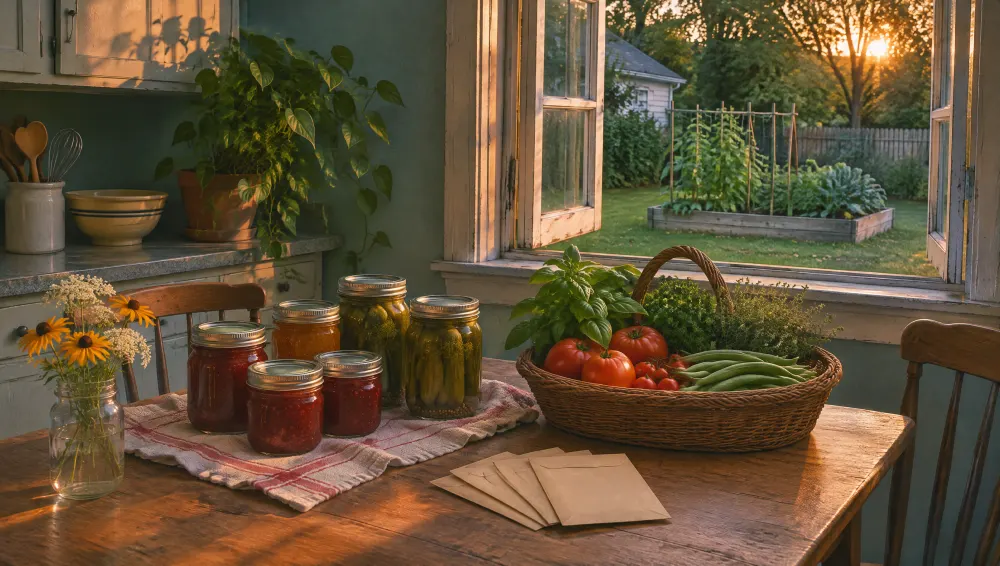 Growing and keeping your own foodA first garden bed, jars on the shelf, and a pantry that gets eaten.7 things
All 64 things
Nothing by that name yet. Try a simpler word.
Light and power
Seeing in the dark and keeping a phone alive.
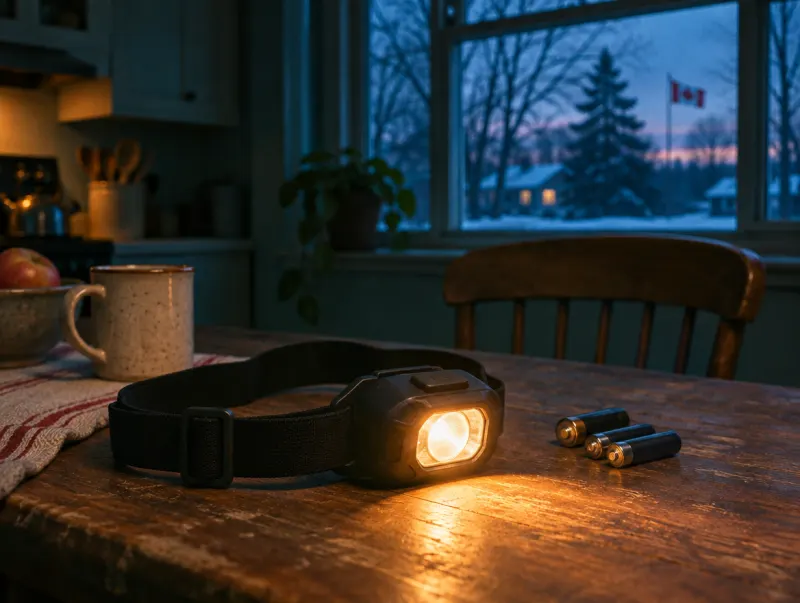 HeadlampA small light worn on your head, so both hands stay free.
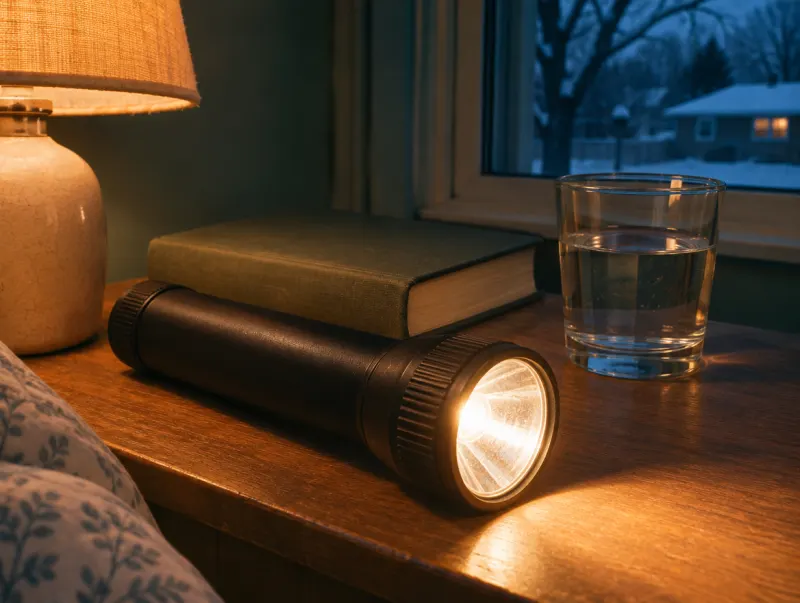 FlashlightA hand-held light you can point and pass to someone else.
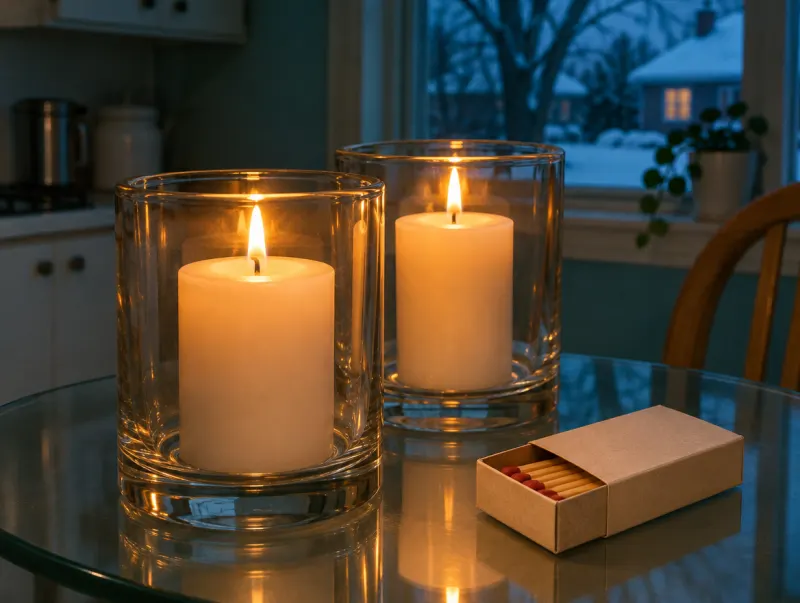 CandlesLight that needs no batteries, and the riskiest way to light a room.
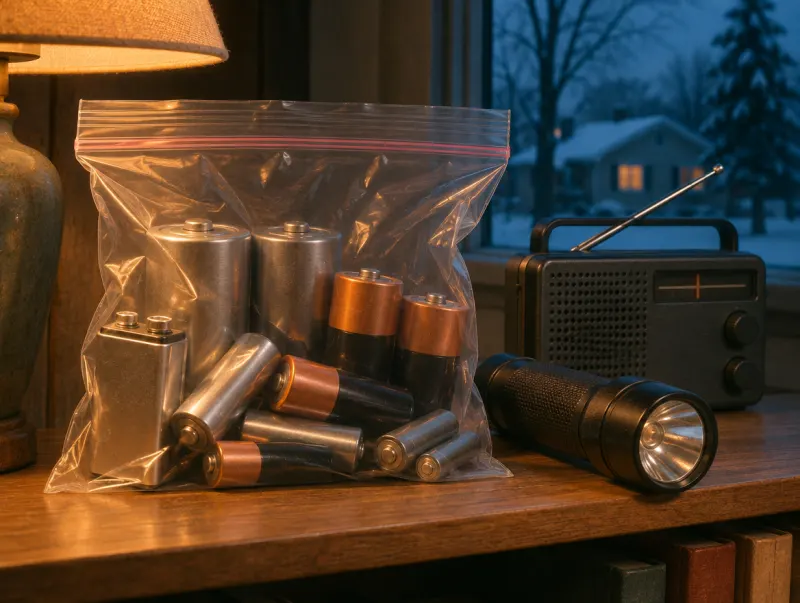 Spare batteriesThe right sizes for your lights and radio, kept together in one bag.
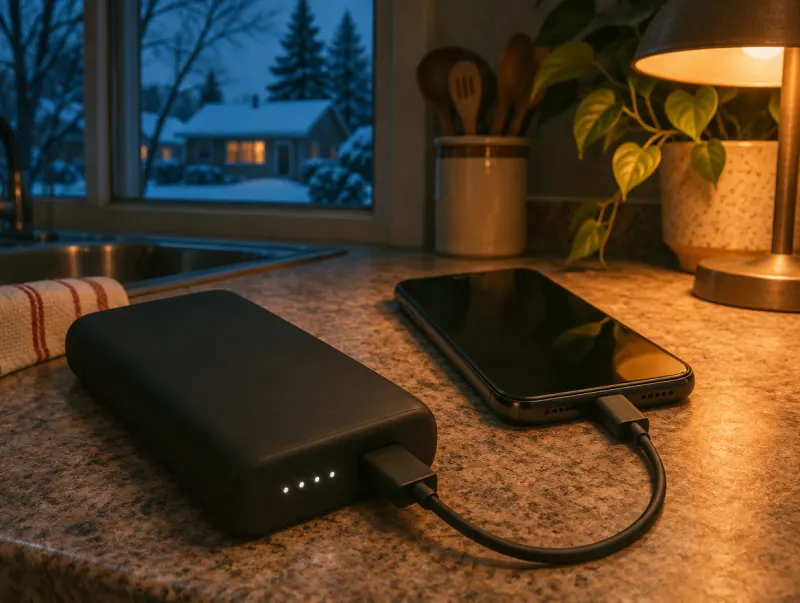 Power bankA battery pack that charges a phone or anything else that charges by USB.
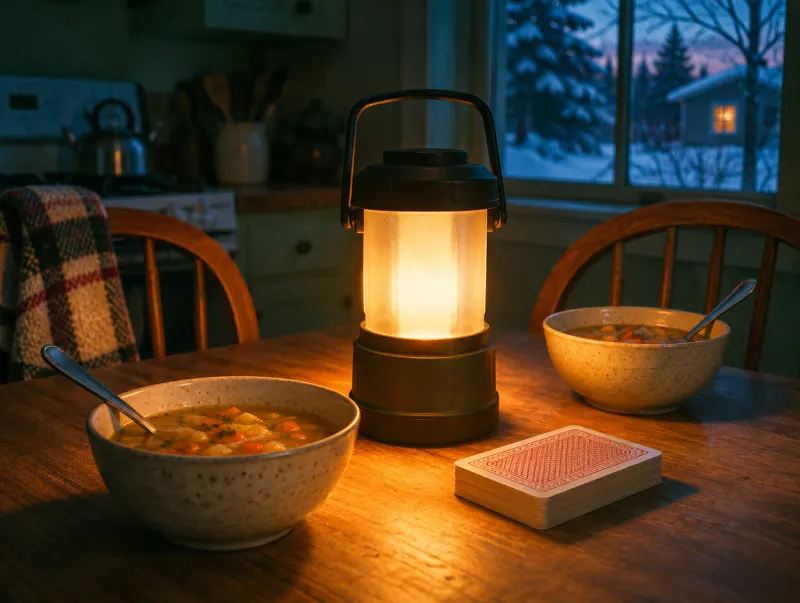 Battery lanternA battery light that stands on a table and lights a whole room.
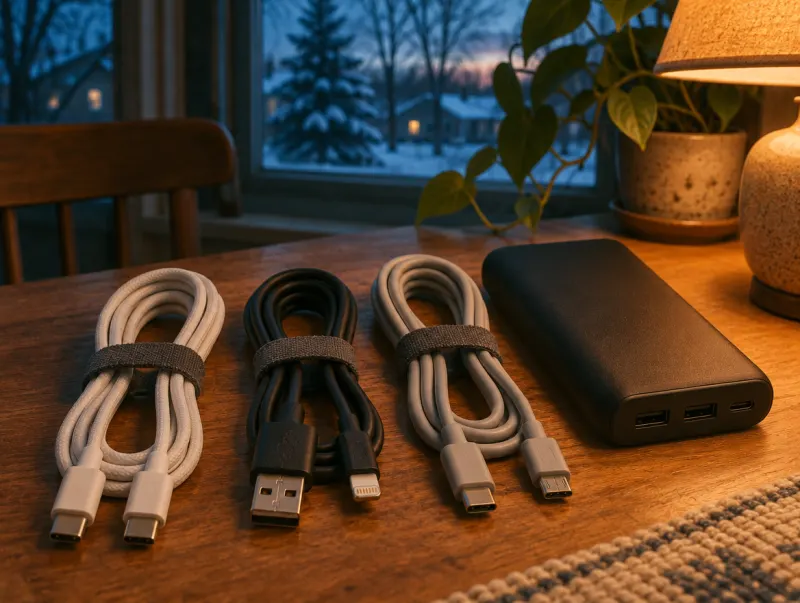 Charging cablesThe right cable for each phone and light, kept with the power bank.
News and talking
Hearing what's happening and reaching people without a cell tower.
 Mobile phoneThe phone you already carry, kept charged and used sparingly in an outage.
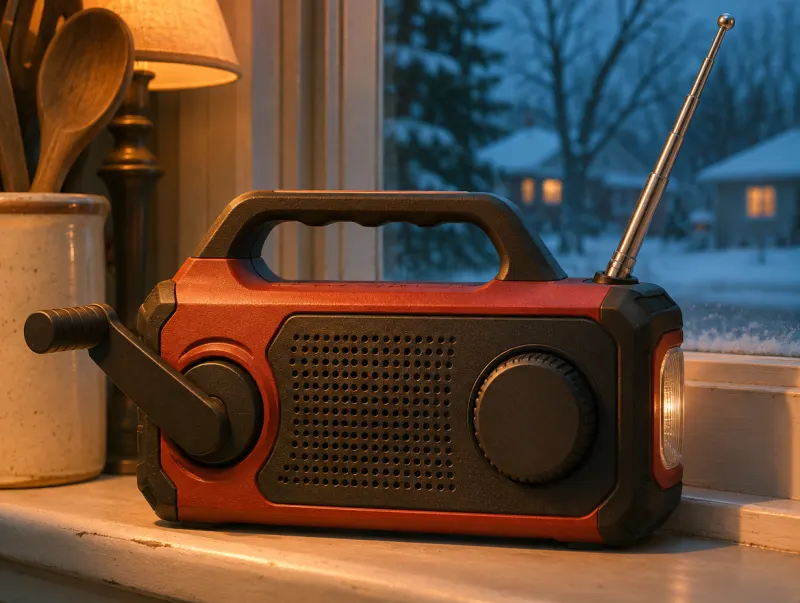 Battery or wind-up radioA radio that runs on batteries or a hand crank, with no internet needed.
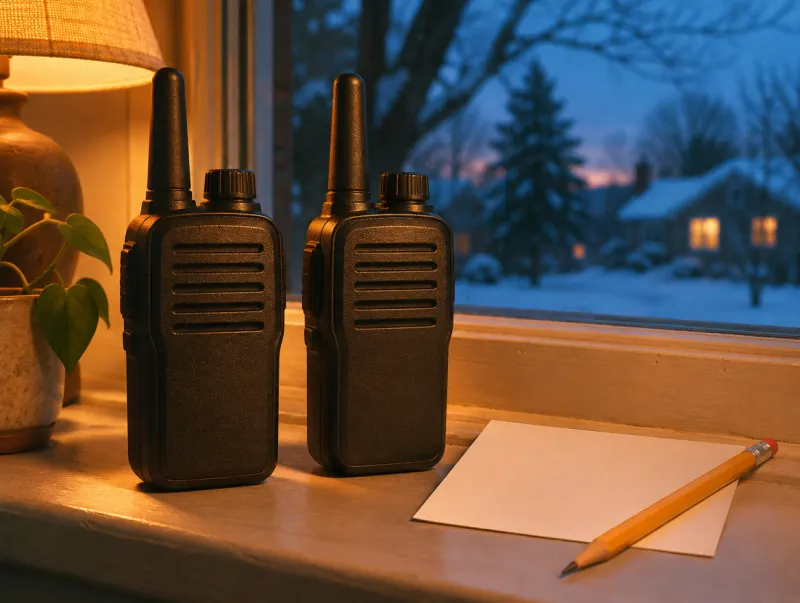 Two-way radios (FRS or GMRS)Hand-held radios for talking with nearby homes, with no licence needed for ones certified for Canada.
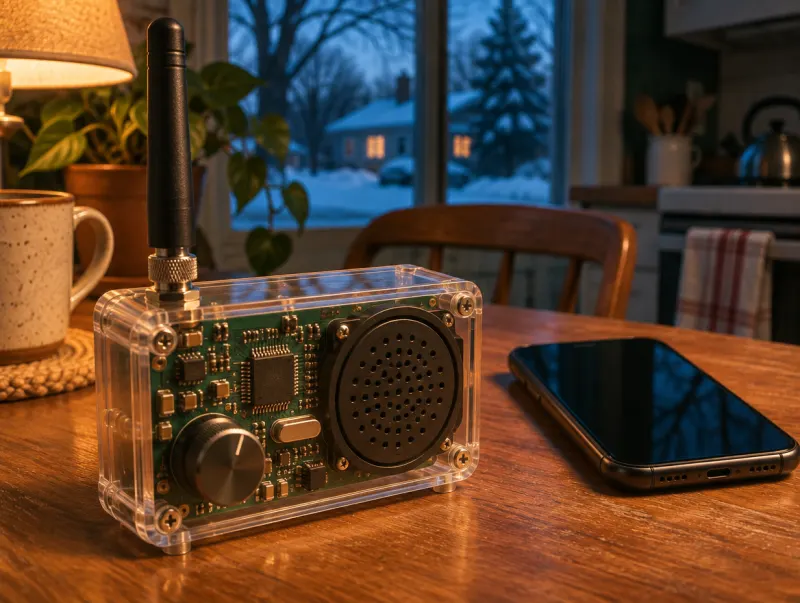 Meshtastic radio nodeA small radio that sends short texts to other nodes nearby, passing them along across a neighbourhood.
 Your plan on paperYour contacts, meeting places, neighbours' numbers and local radio stations, printed.
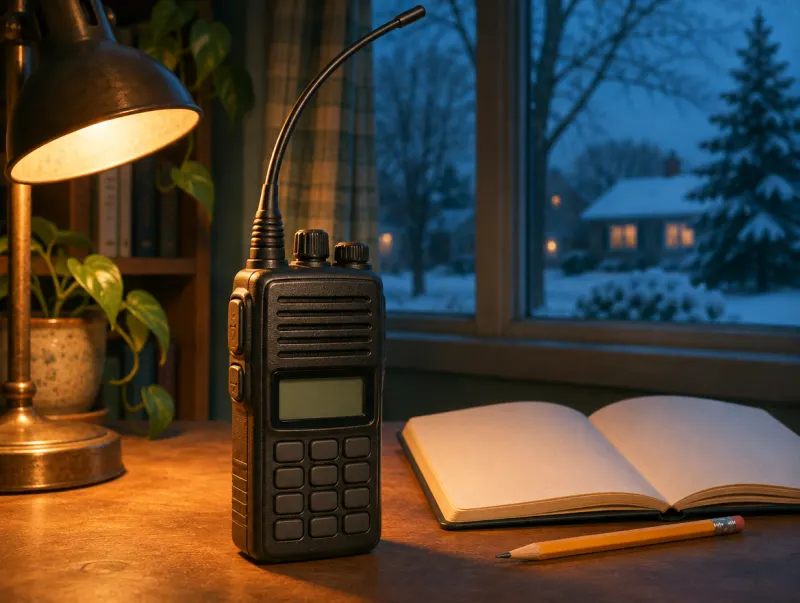 Amateur radio handheldA hand-held radio for the amateur bands, which you need a certificate to transmit on.
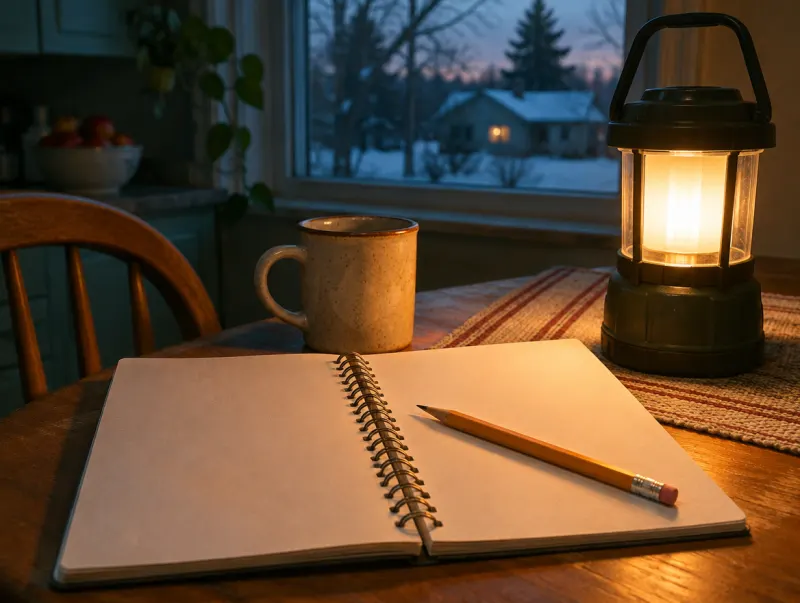 Notebook and pencilPaper that needs no battery, and a pencil that never runs dry.
Water
Storing it, and making more of it safe.
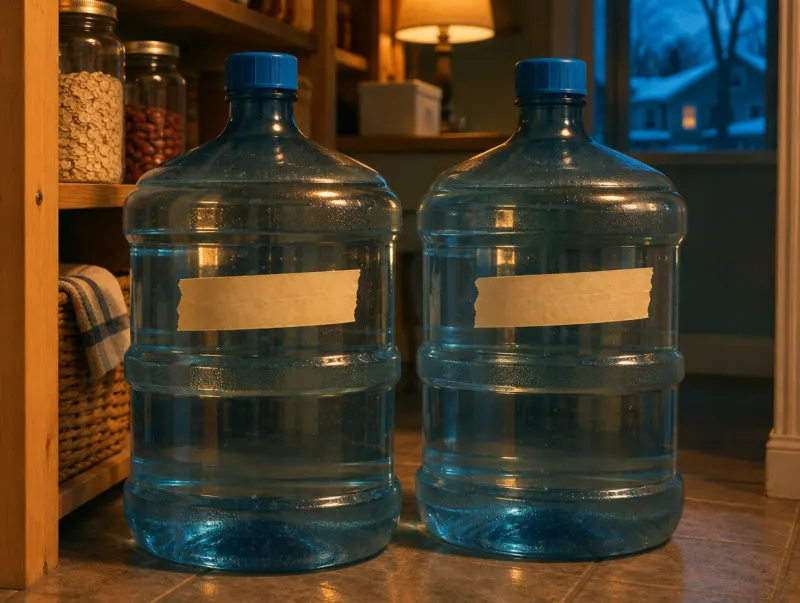 Food-safe water containersClean containers made for food or drink, with tight caps.
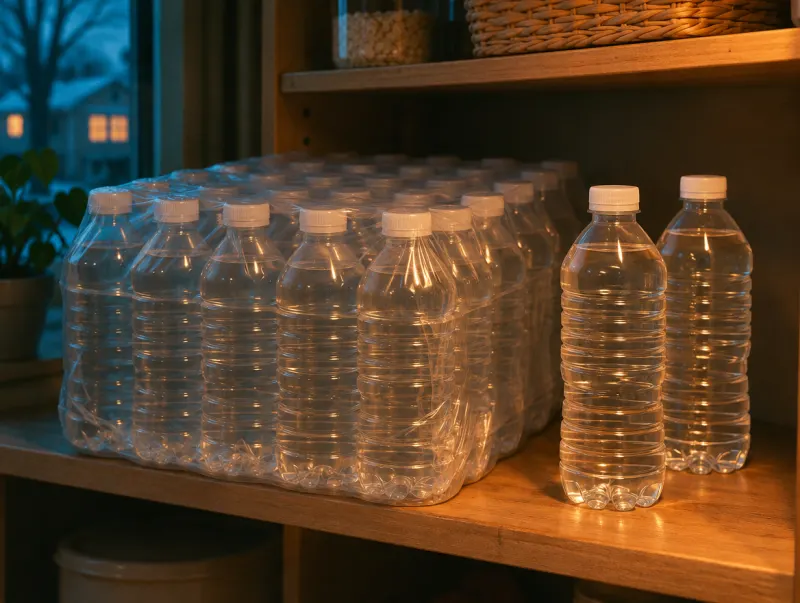 Sealed bottled waterWater bottled and sealed at the factory.
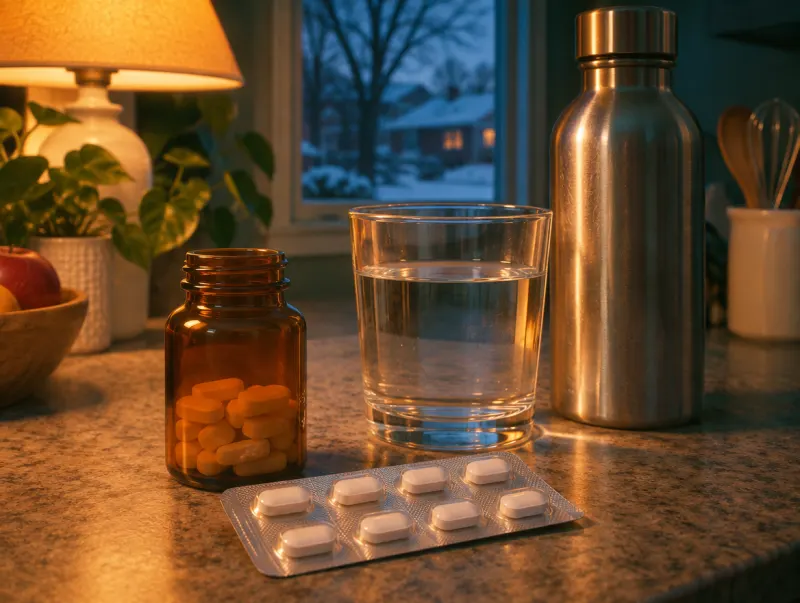 Water purification tabletsTablets that make water safe to drink when you can't boil it.
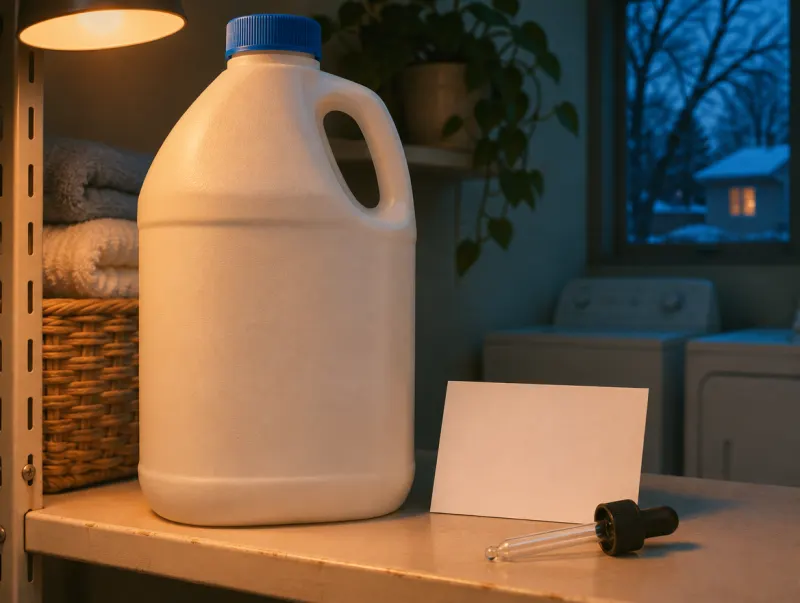 Unscented household bleachPlain bleach, the backup way to disinfect water when boiling isn't practical.
Food and cooking
Food that keeps, and a safe way to cook it with the power off.
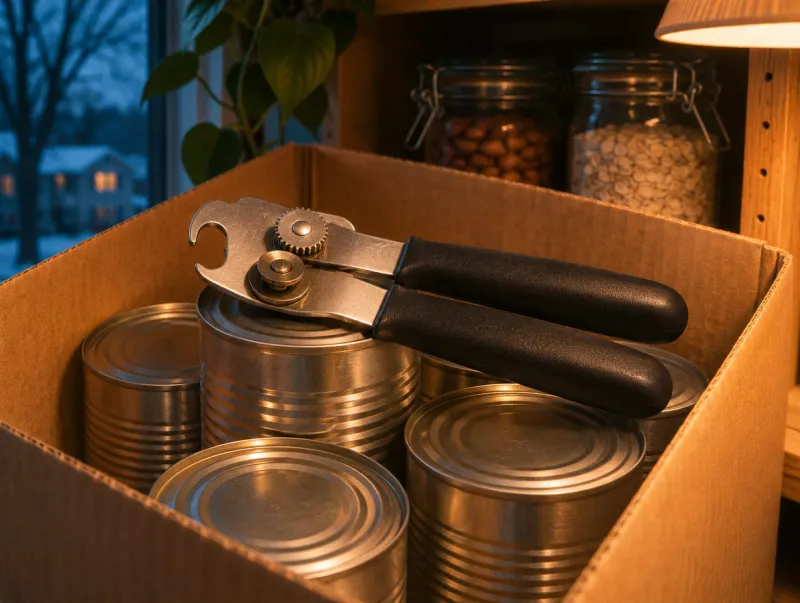 Manual can openerA can opener that works without power.
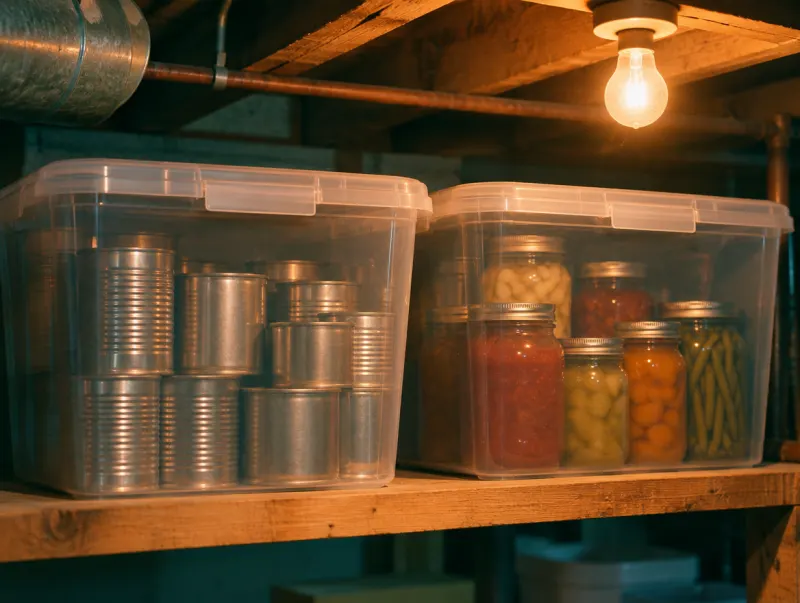 Watertight food binsSealed boxes or bins for the food you keep put away.
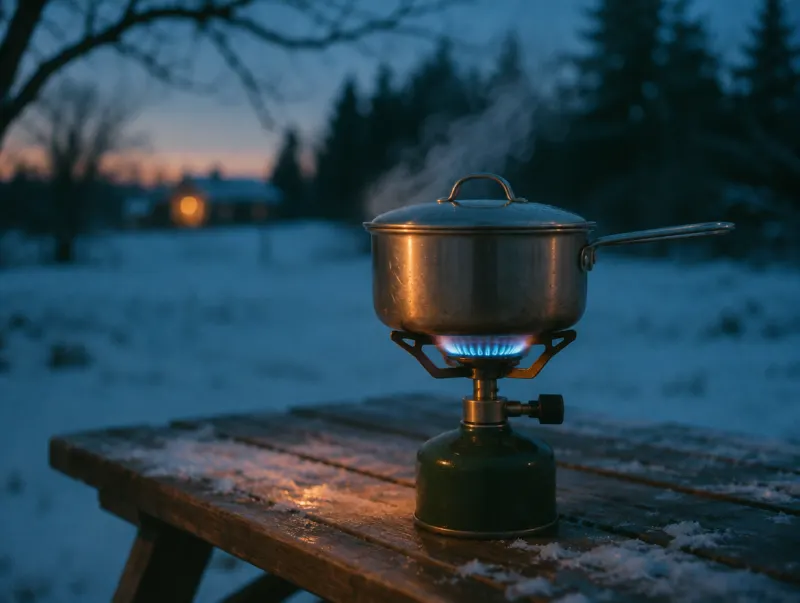 Camp stove or portable burnerA small fuel-burning stove, for cooking outdoors only.
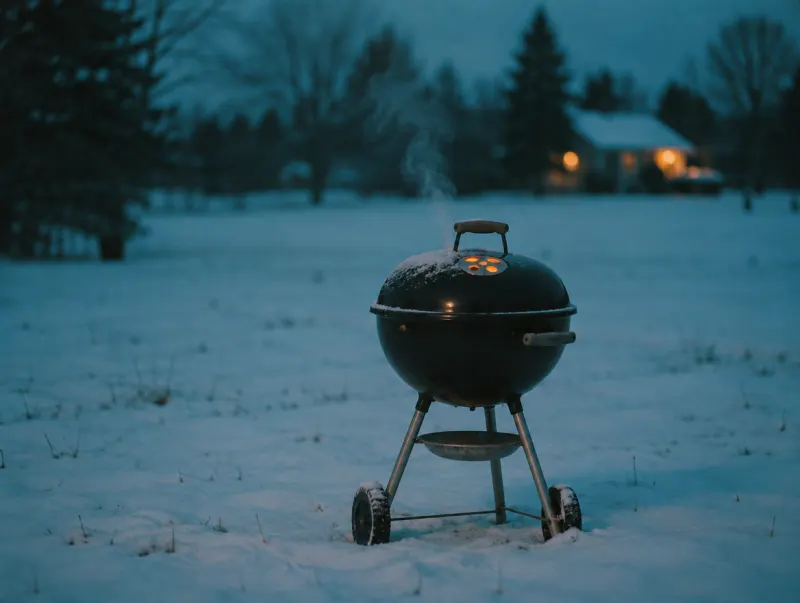 BarbecueThe grill many homes already have, gas or charcoal, used outdoors only.
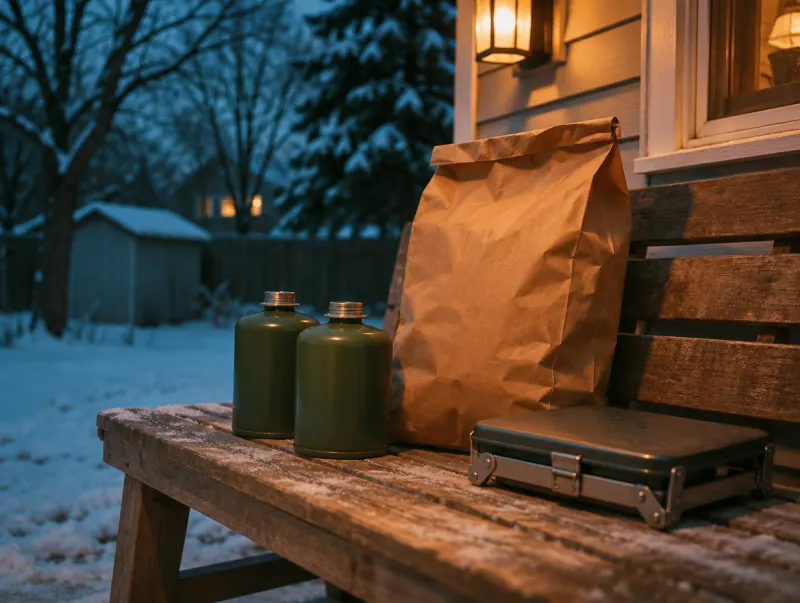 Stove fuelCanisters, a propane tank or charcoal, matched to your stove.
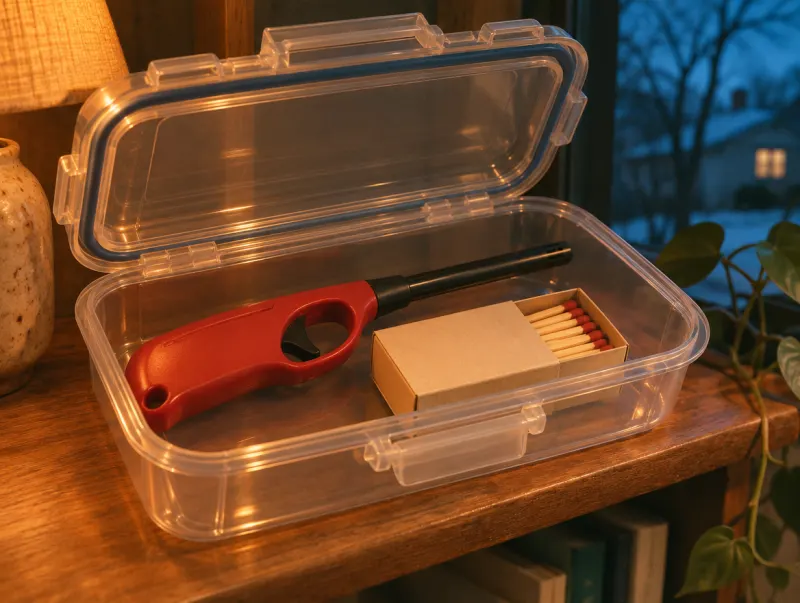 Lighter and matchesBoth, kept in a dry container beside the stove.
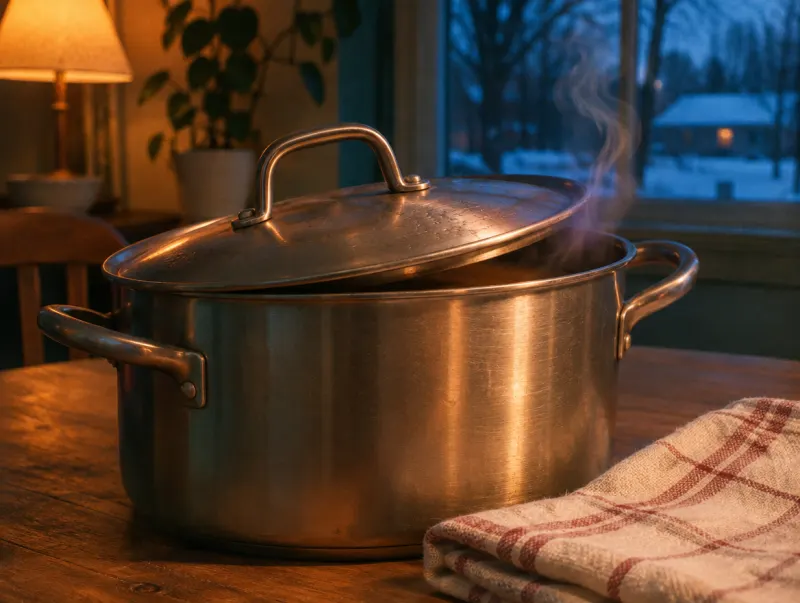 Pot with a lidA pot you can put on an outdoor stove, with a lid that fits.
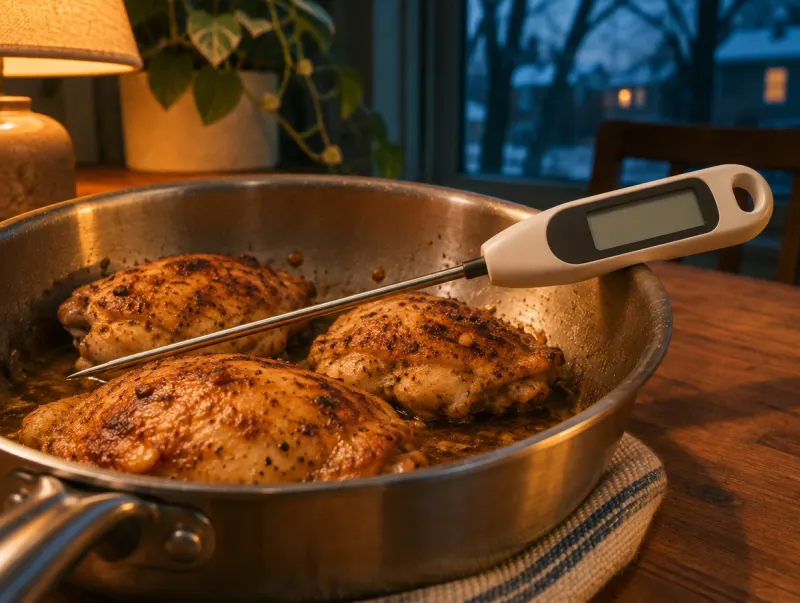 Digital food thermometerA probe thermometer for checking food.
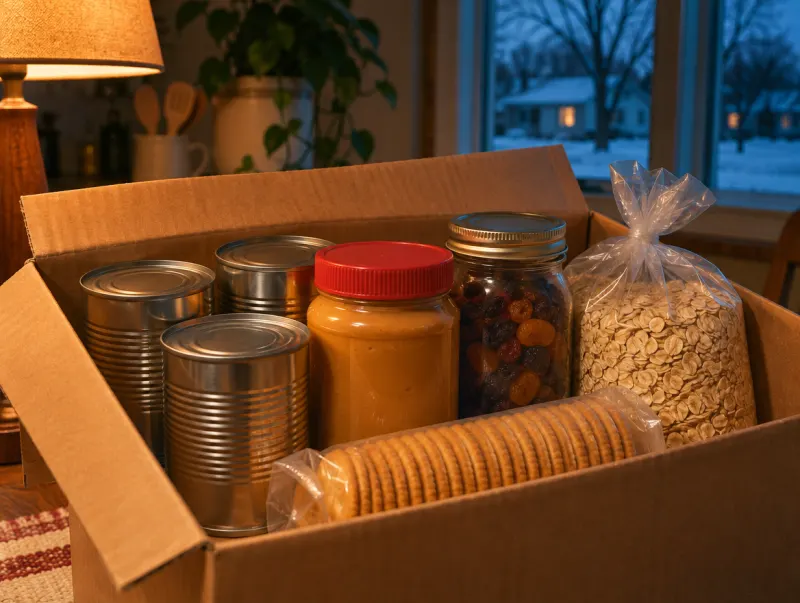 Canned and dry food you already eatFood that keeps without a fridge, chosen from what your household eats anyway.
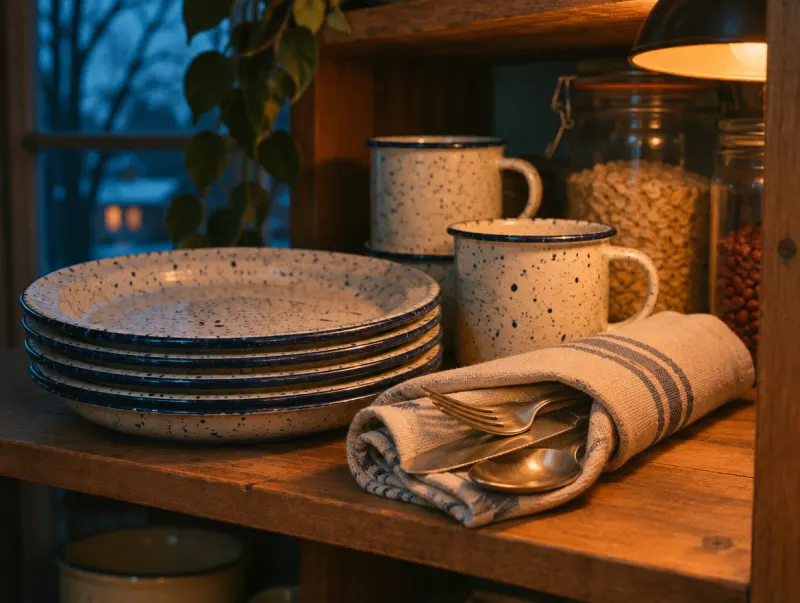 Plates, cups and cutlerySomething to eat from and with, kept with the food.
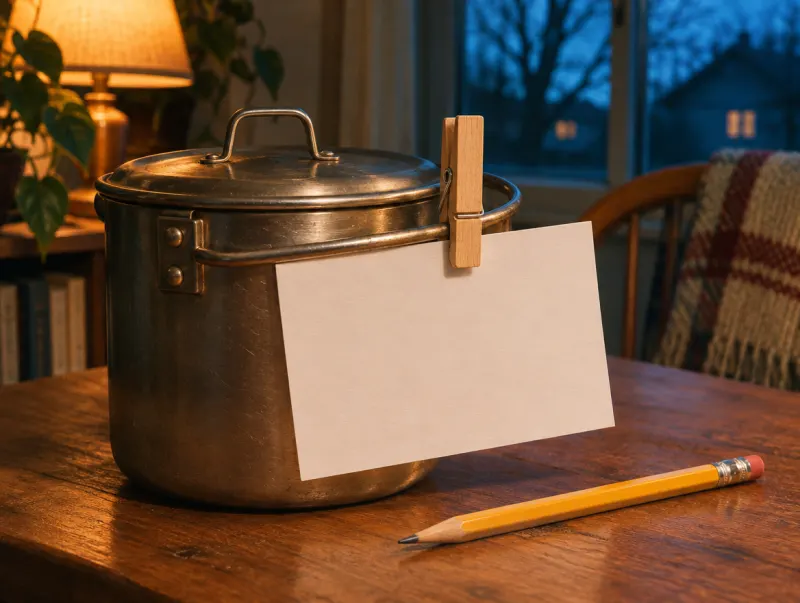 Meal cardsA few one-pot meals written on a card, with the water and the time each takes.
Heat and safety
Staying warm, and the alarms that watch the air.
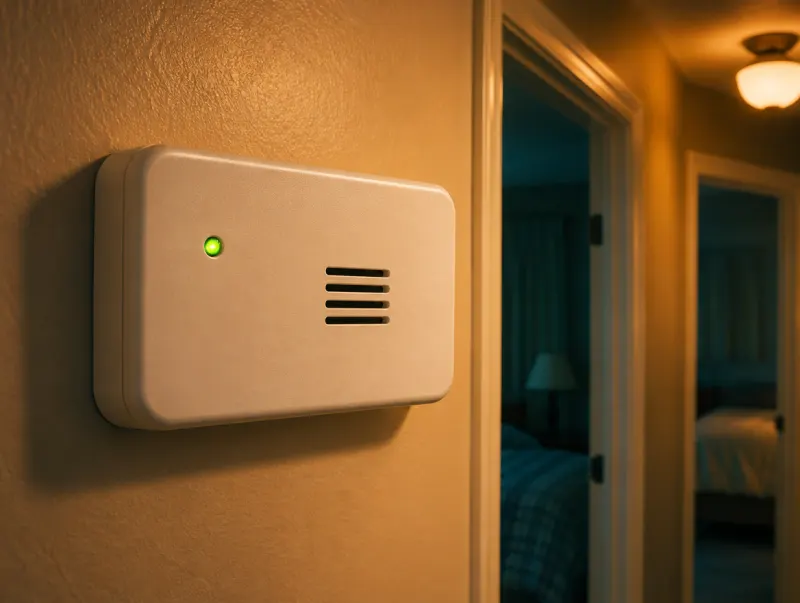 Carbon monoxide alarmAn alarm that warns you about a gas you can't see or smell.
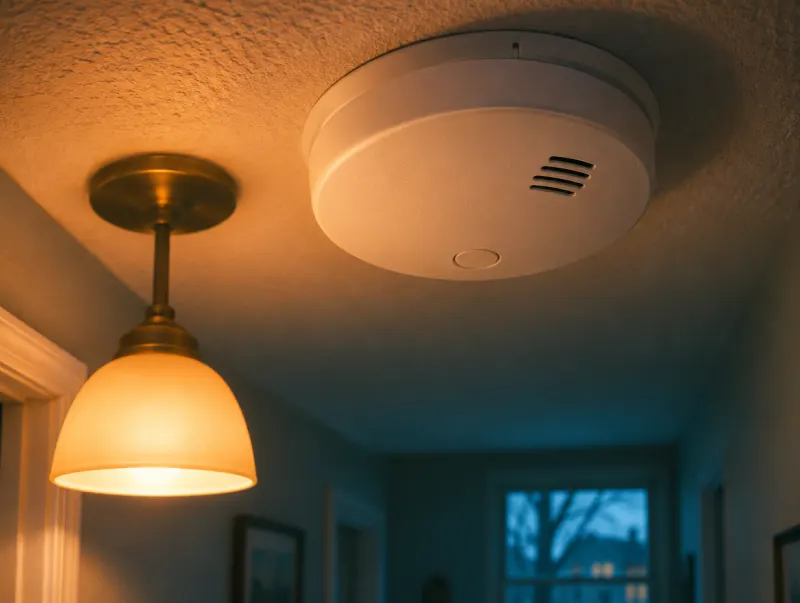 Smoke alarmThe alarm on your ceiling, tested so you know it works.
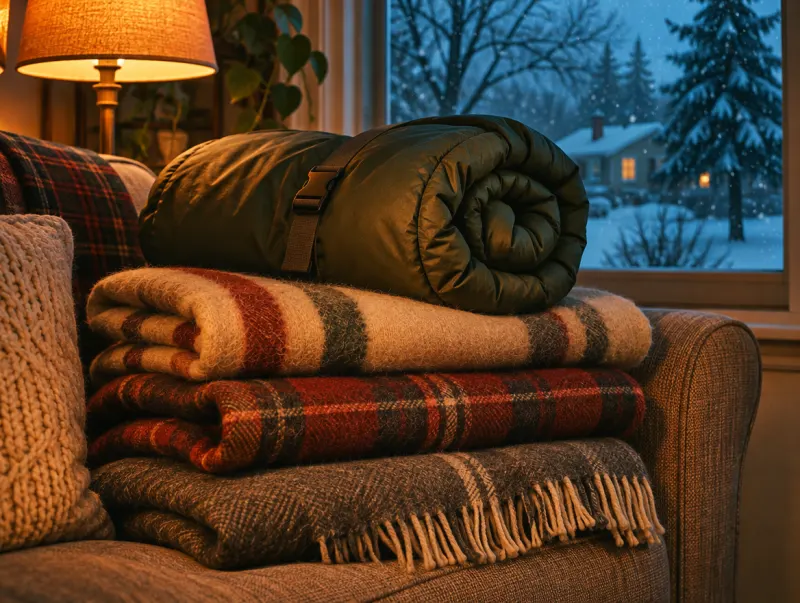 Warm blankets or sleeping bagsBedding warm enough for a cold house.
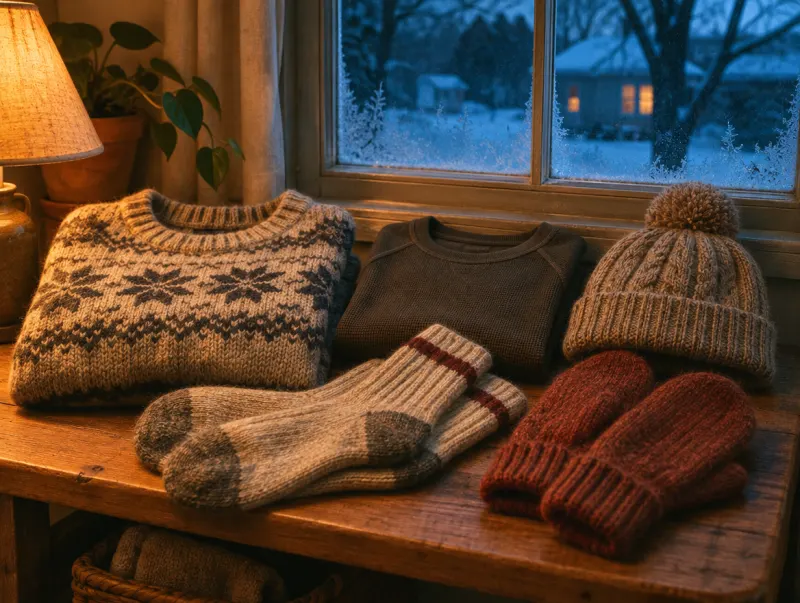 Warm layersDry layers of wool, polyester or nylon rather than cotton, and a hat.
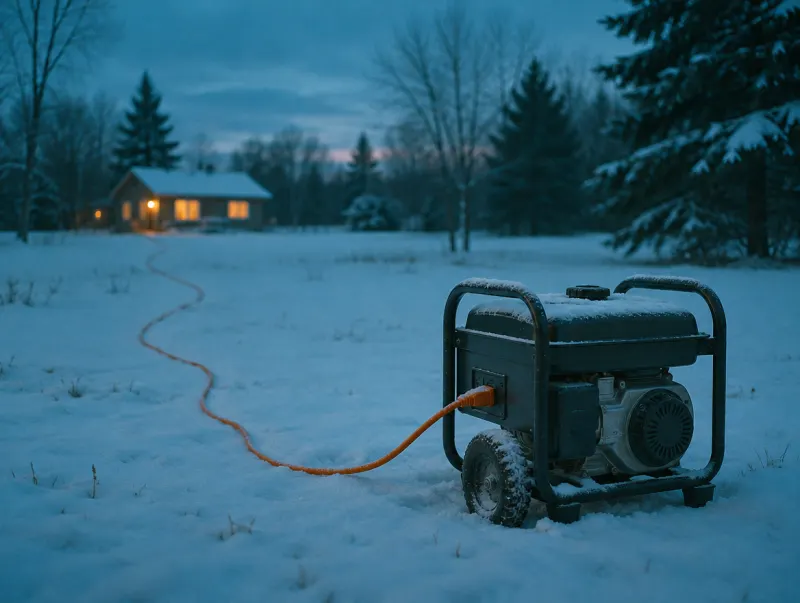 Fuel-burning generatorA portable engine that makes electricity, run outdoors only.
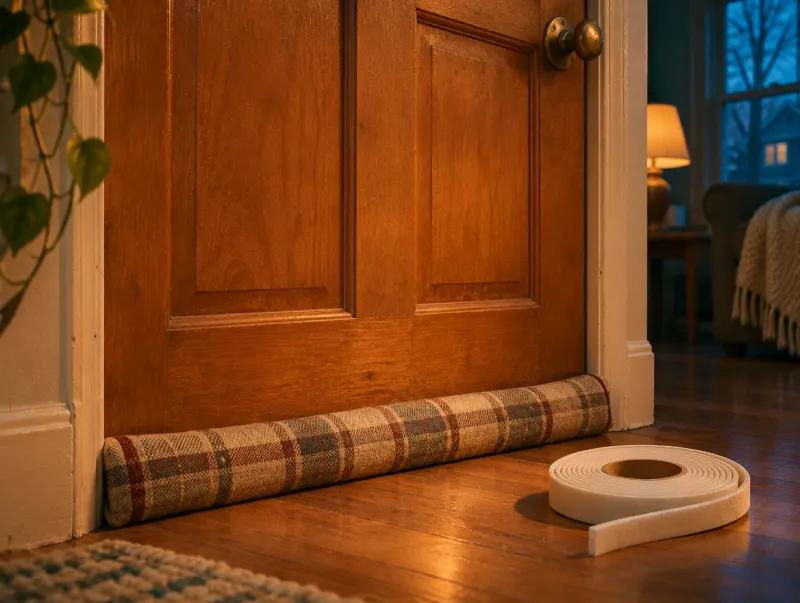 Draft stoppers and weatherstrippingAnything that seals the gaps where cold air gets in.
Health and hygiene
First aid, medications and staying clean.
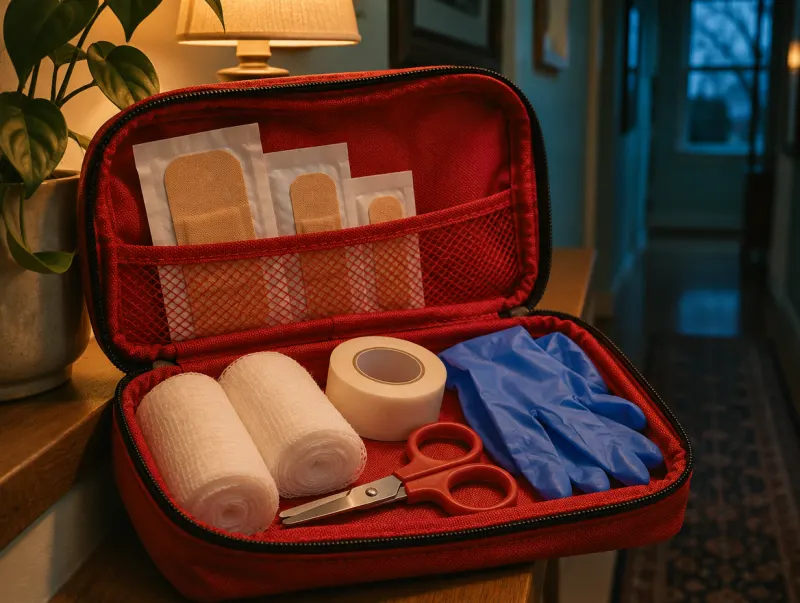 First aid kitBandages, tape, gauze, wound cleanser and gloves, in one place everyone knows.
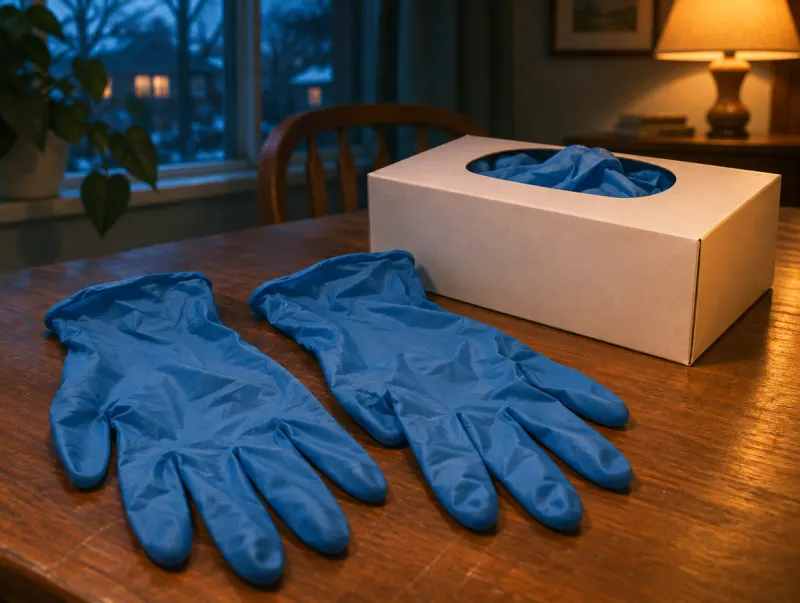 Disposable glovesSingle-use gloves, part of any first aid kit.
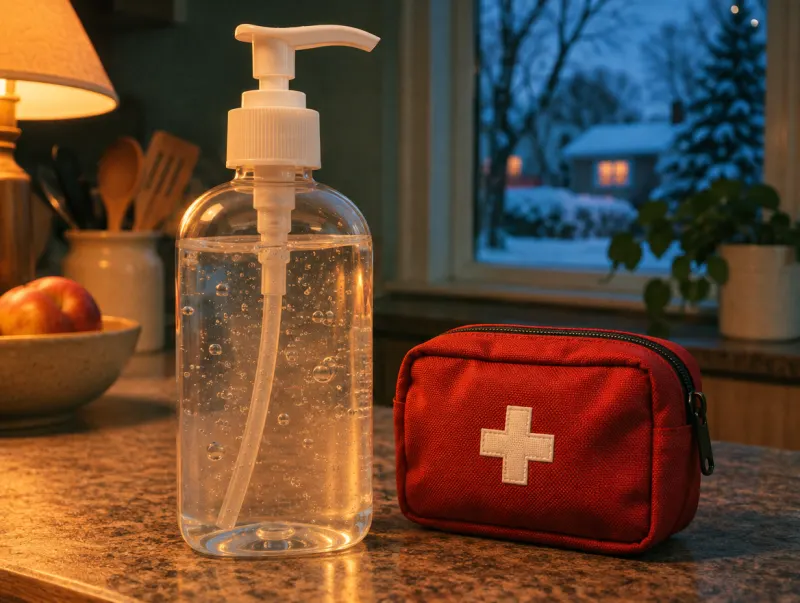 Hand sanitizerAlcohol hand rub for when you can't wash.
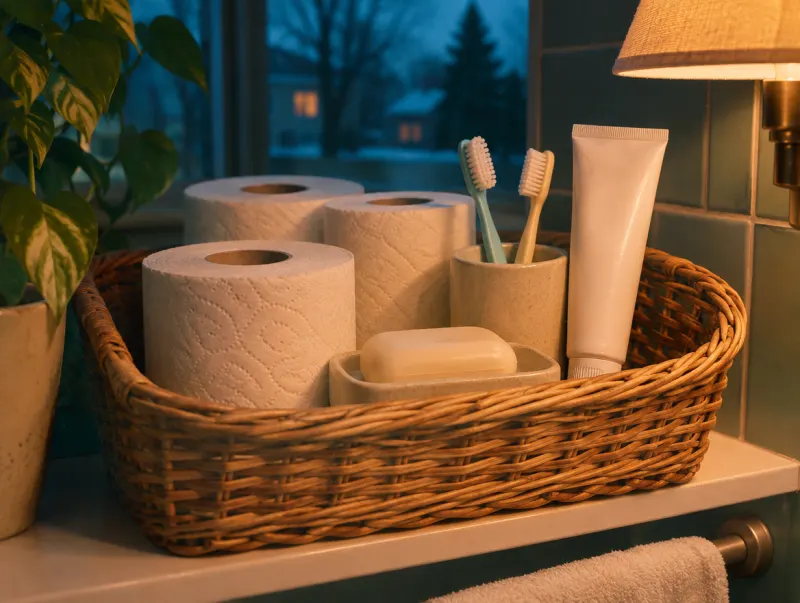 Toilet paper and toiletriesSoap, toothbrushes, toilet paper and the other things an ordinary day uses.
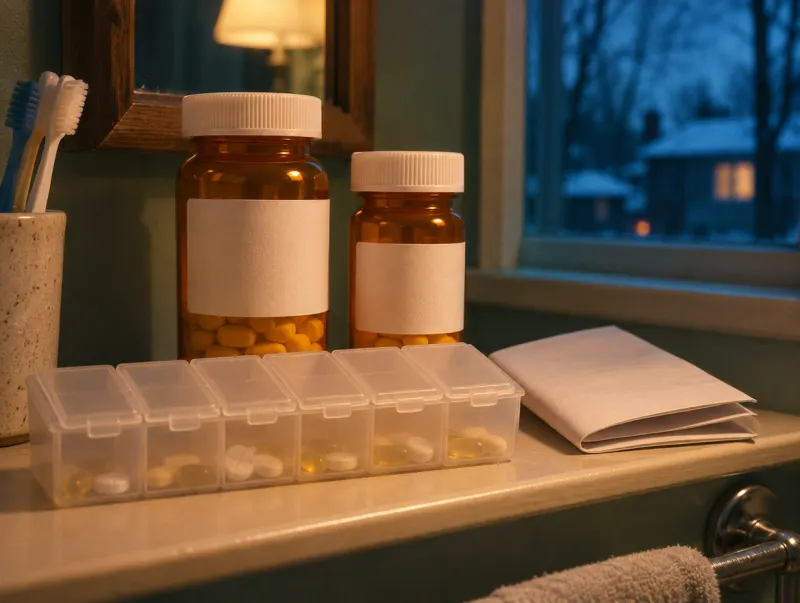 A reserve of medicationsA supply of the medications your household relies on, kept current.
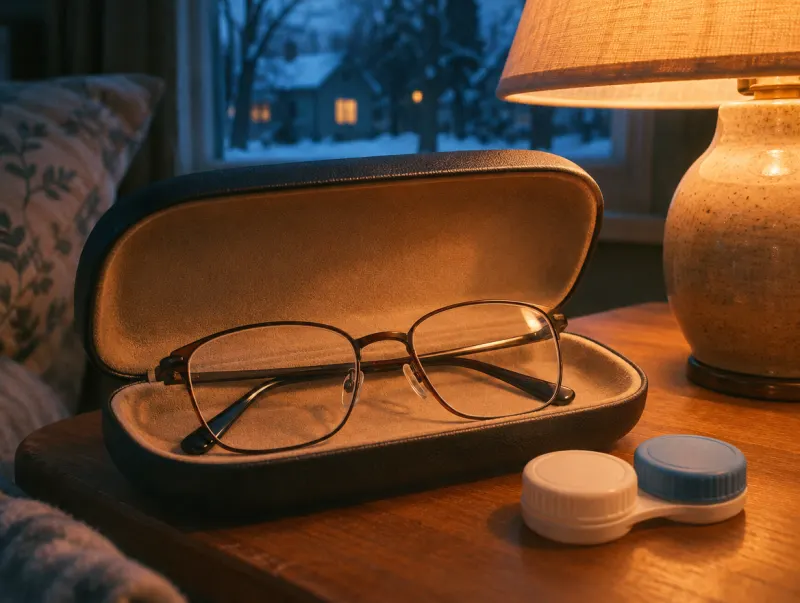 Spare glassesAn old pair of glasses or spare contact lenses, kept with your kit.
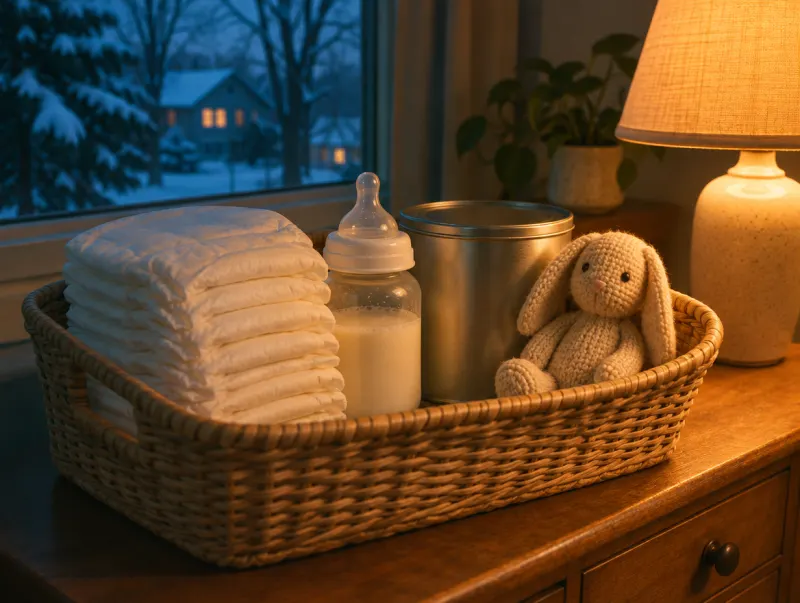 Baby suppliesFormula, diapers and something comforting, if you have young children.
Around the house
Shut-offs, quick repairs and the odd jobs after a storm.
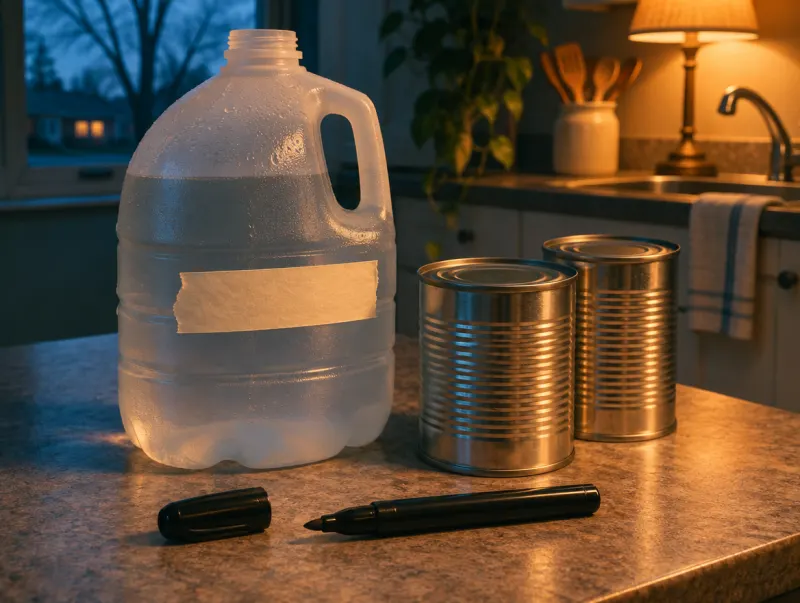 Permanent markerA marker that won't wash off.
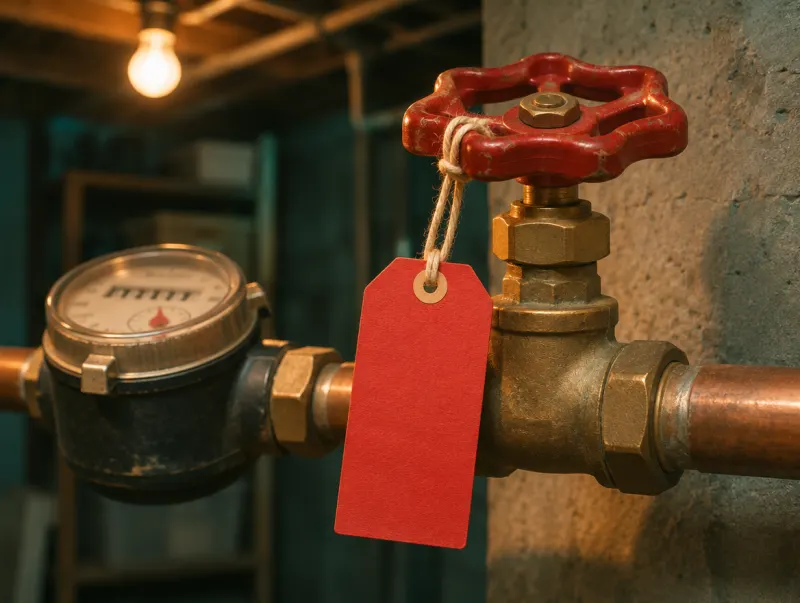 Shut-off tagsTags tied to the main water valve and labels on the electrical panel.
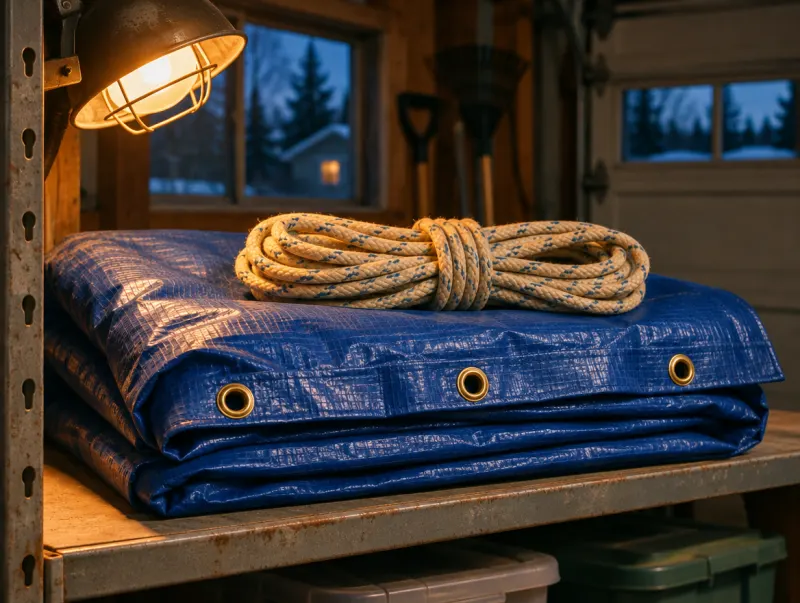 TarpA waterproof sheet with grommets at the edges.
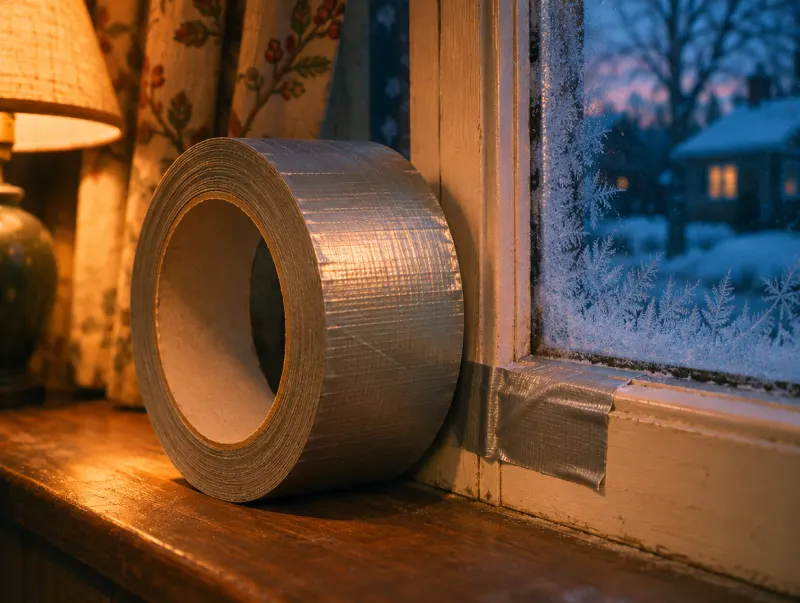 Duct tapeStrong cloth tape that sticks to most things.
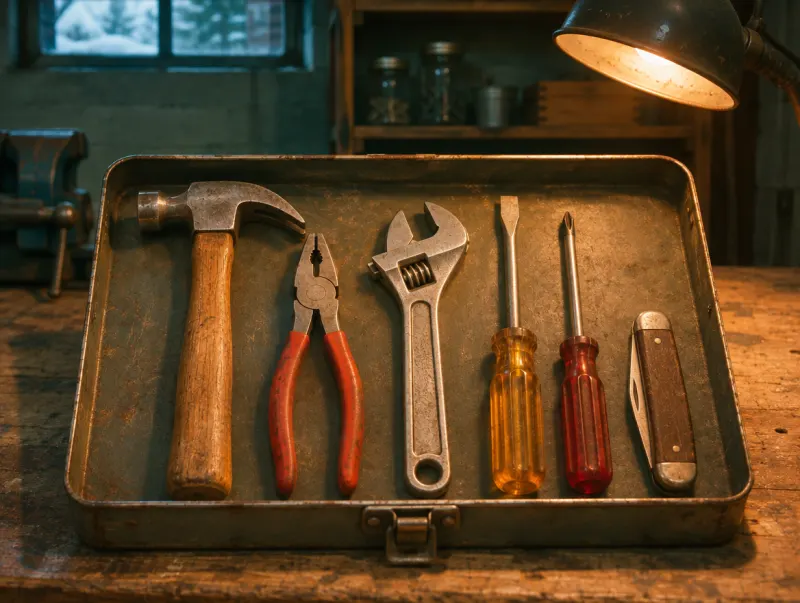 Basic toolsA hammer, screwdrivers, gloves and a pocket knife, kept where you can find them.
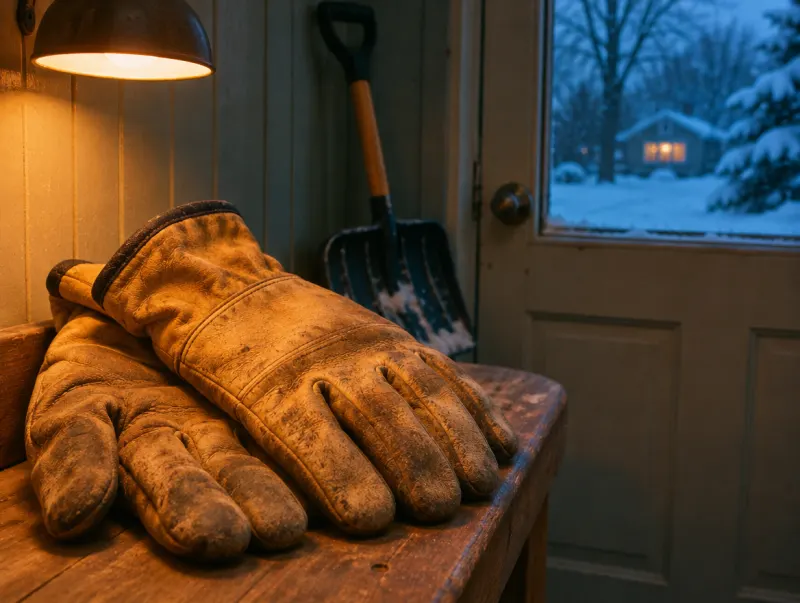 Work glovesSturdy gloves for rough or cold jobs.
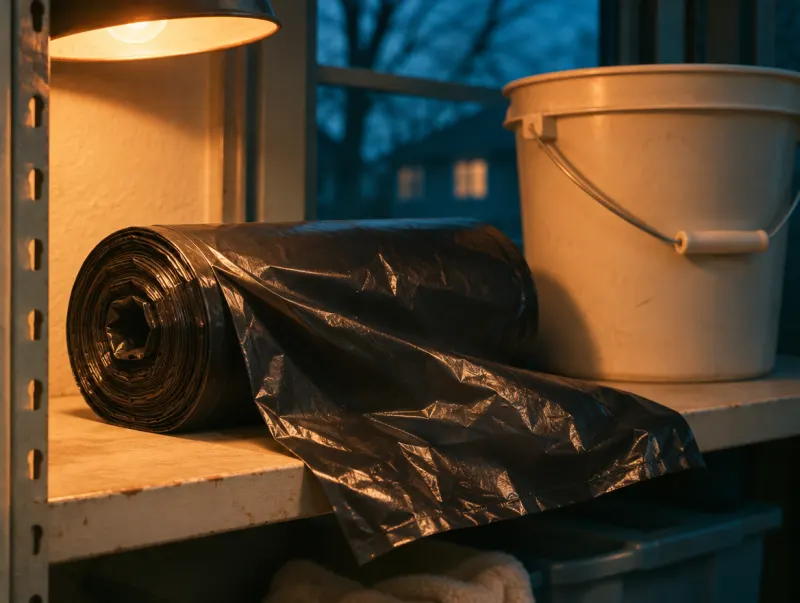 Garbage bagsStrong bags with more uses than rubbish.
Leaving home
What goes out the door with you.
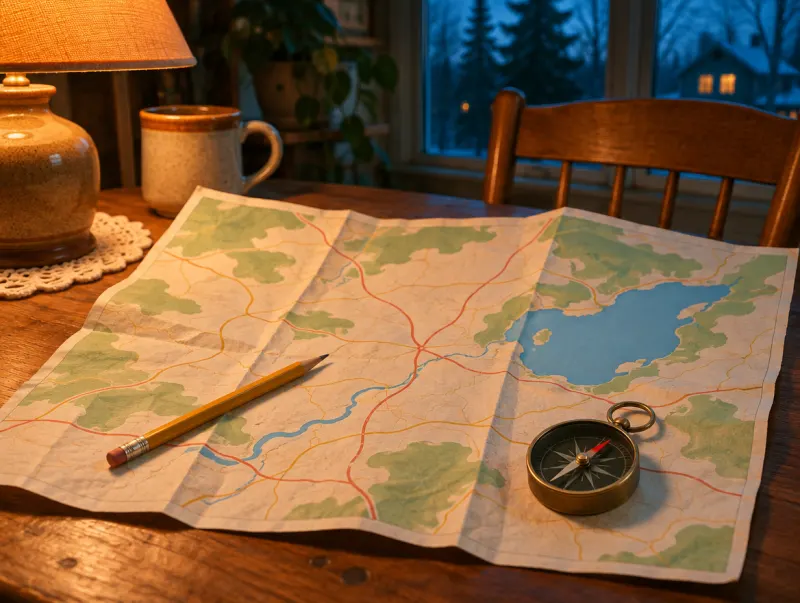 Paper mapA local map with your meeting places and ways out marked.
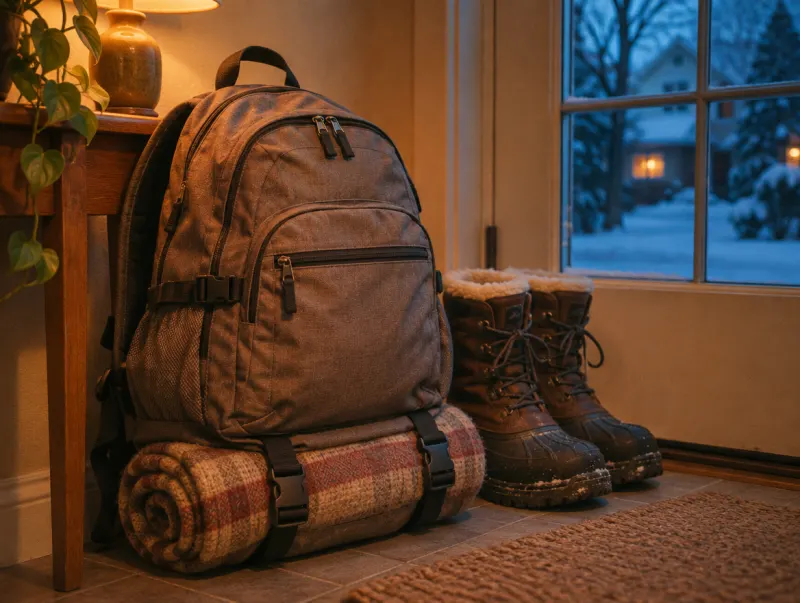 Grab bagOne bag for each person, packed and ready by the door.
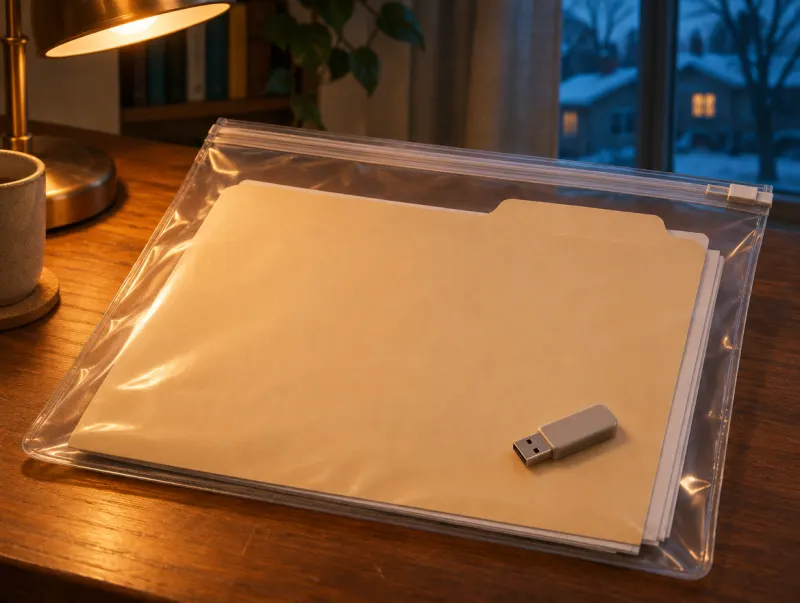 Copies of important papersID, insurance, health card numbers and banking details, on paper and digitally.
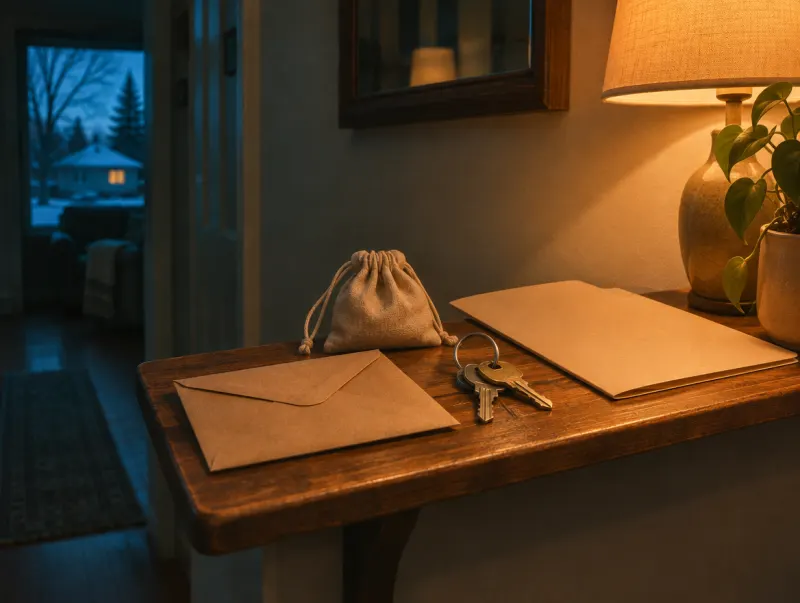 Cash in small billsSmall bills and coins, kept with your papers.
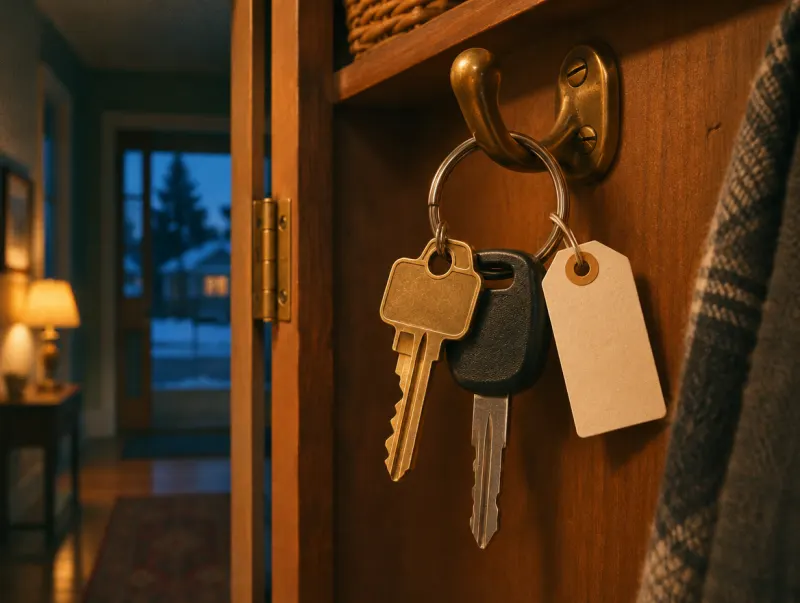 Spare keysA spare set for the house and the car, kept with your papers.
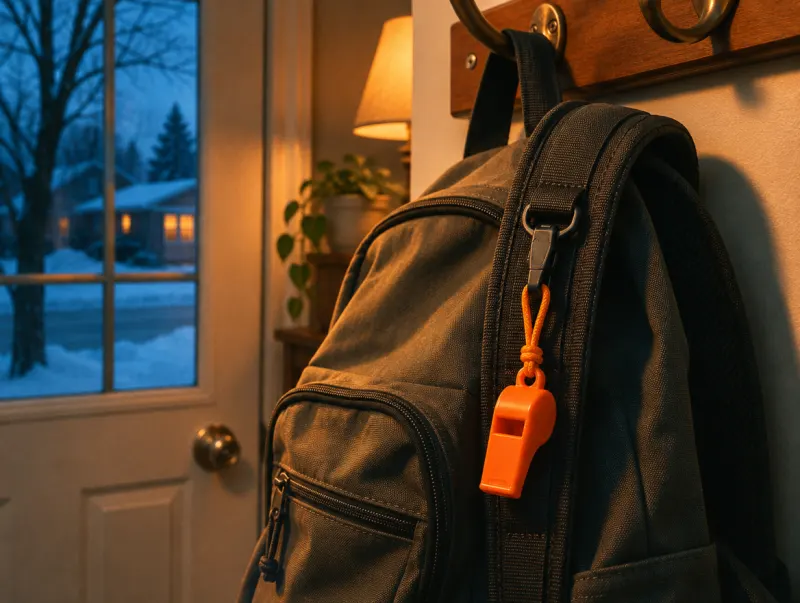 WhistleA small, loud whistle that carries farther than a voice.
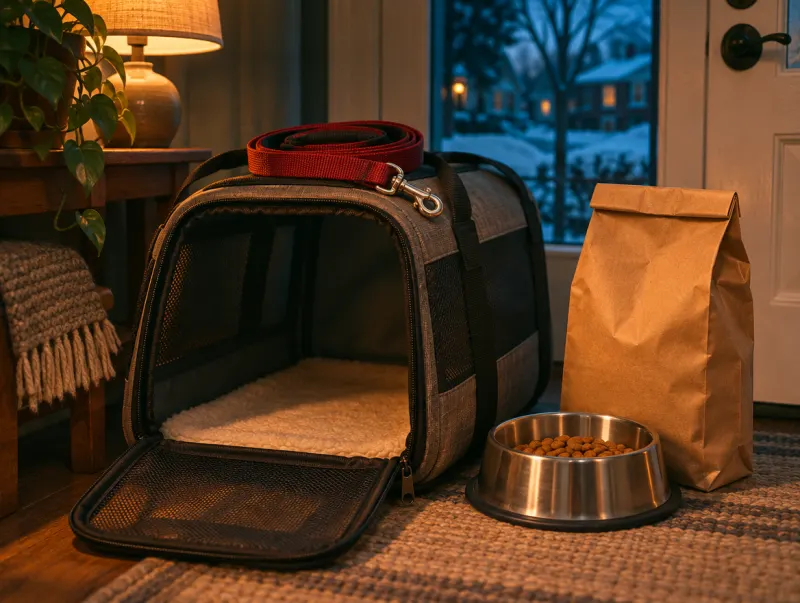 Pet food and suppliesFood, water and a carrier or leash for each pet.
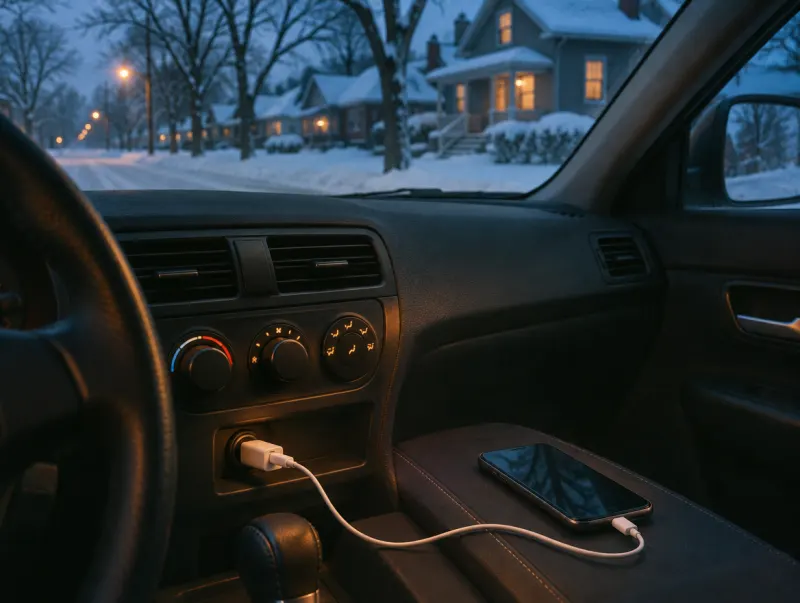
In the car
For the times it happens away from home.
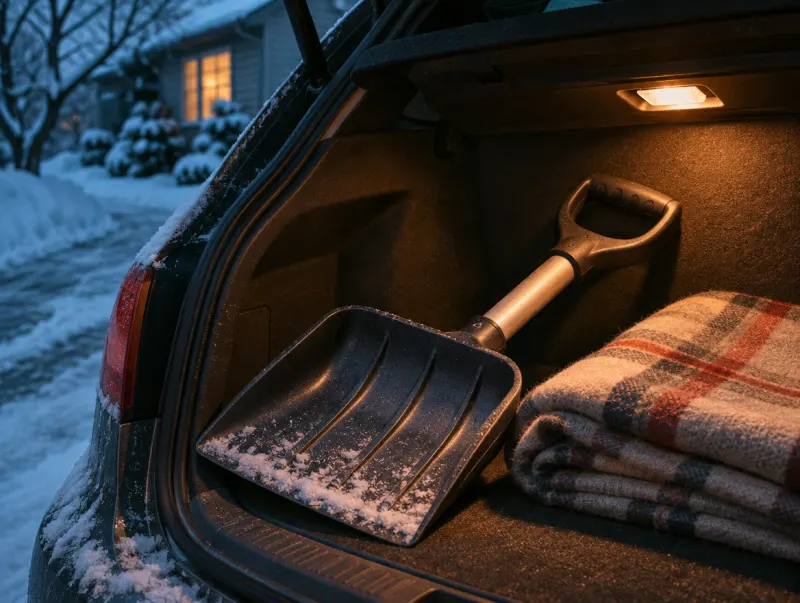
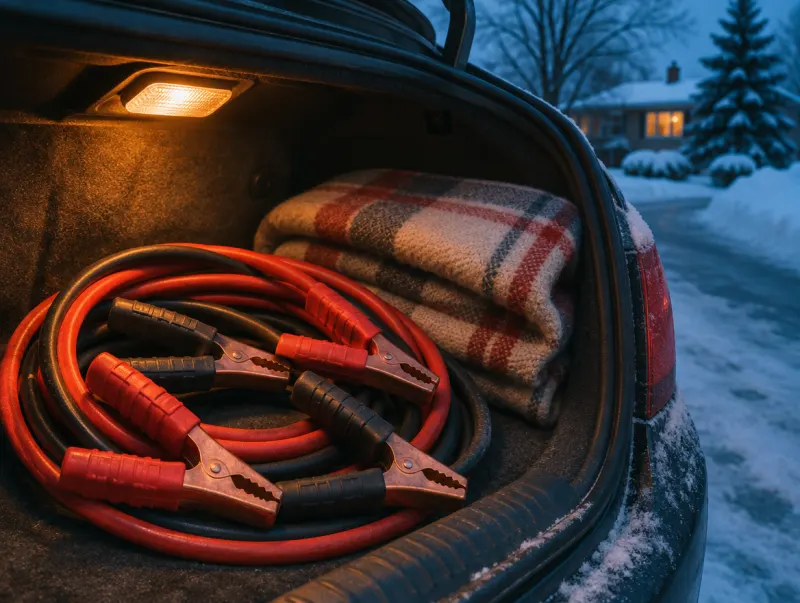
Growing and preserving
A first garden and jars on the shelf.
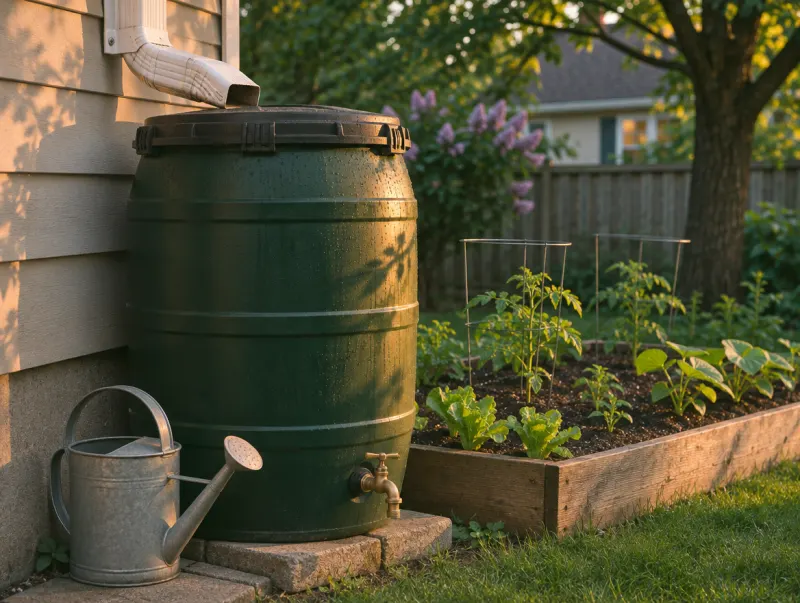 Rain barrelA covered barrel that catches rain from a downspout, for the garden, not for drinking.
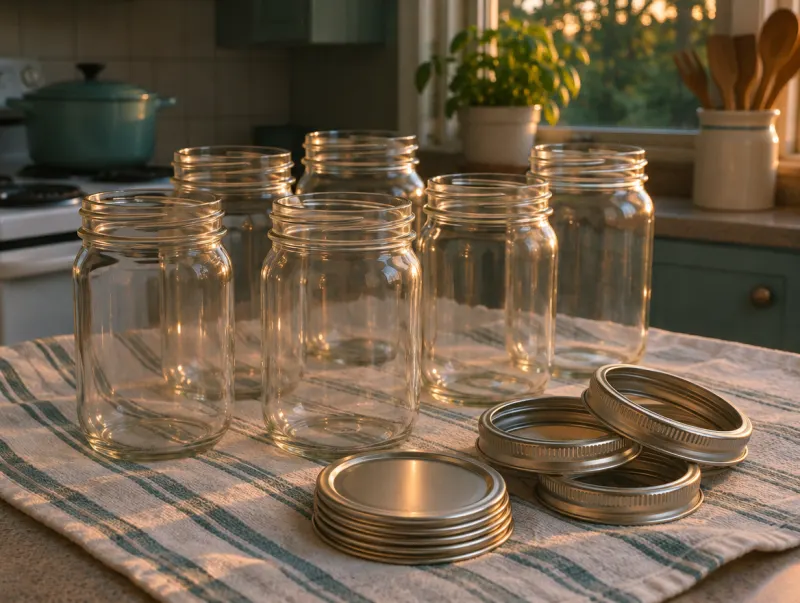 Canning jars and new lidsJars made for canning, with new self-sealing lids.
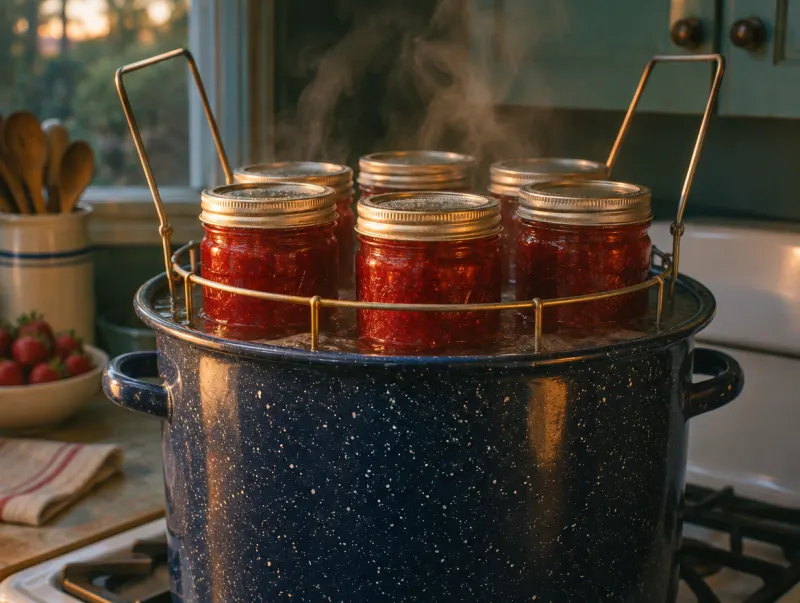 Boiling water cannerA deep pot with a rack, for canning high-acid foods like fruit, jam and pickles.
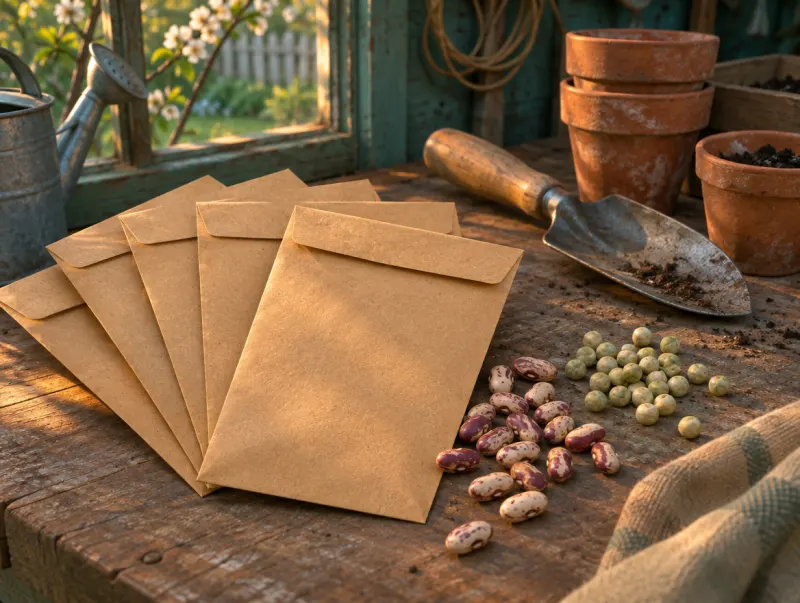 Seed packetsSeeds for a handful of things your household already eats.
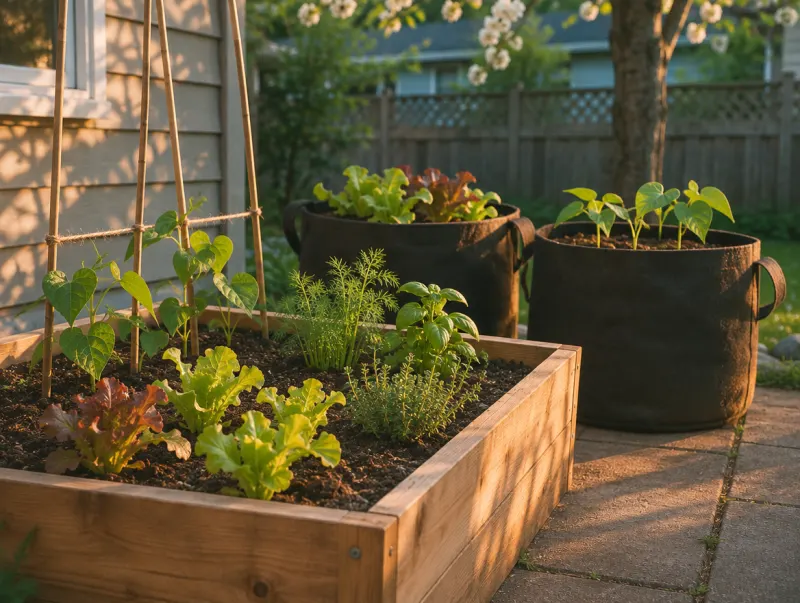 Raised bed or large containersOne bed or a few big pots, which is plenty for a first year.
In an emergency, call 911. WeVenture isn't an emergency service.
This guide says what things are for. It's a plain summary, not a guarantee, and it never asks what you have. Amounts, times and distances are in the lessons, beside the official pages they come from.
Learn to use it, with other people
One small challenge a week, done at home, then compared with other people under a handle you pick. Nobody is ever asked what they have.
Start this week