Watertight food bins
Sealed boxes or bins for the food you keep put away.
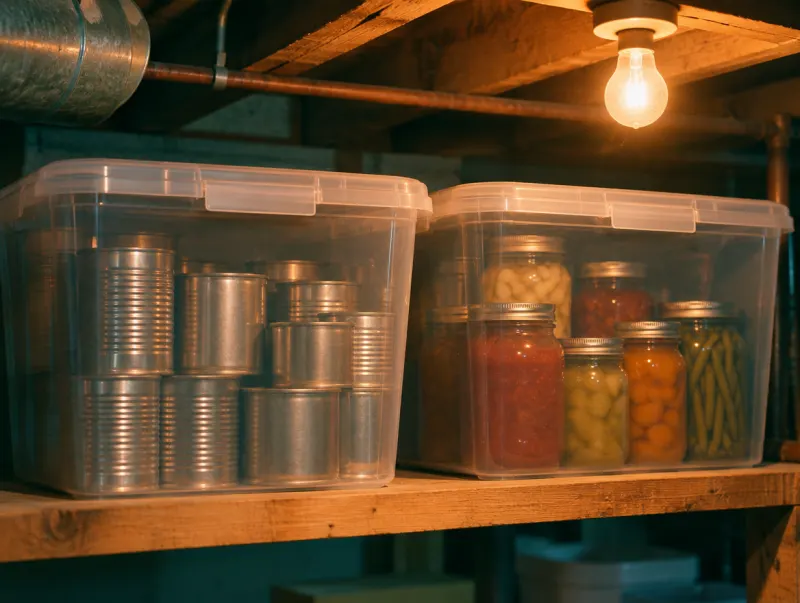
What it's for
- Keep food dry, and on a high shelf if your area floods.
- Keep your no-cook food in one place, oldest at the front.
What to look for
Lids that seal, and a size you can still lift when it's full.
How to use it
- Choose clean, dry bins with snug lids. Keep factory labels or write the contents, allergens and date on any food-safe inner container you refill.
- Group food by meal or type and place older packages up front. Keep food bins separate from fuel, cleaners and other chemicals.
- Pull one meal from the bin and make sure you can find everything for it. Check for moisture, pest damage and leaking packages before restocking.
Related lessons
- Two weeks of food, cooked without powerA pantry that could feed everyone at home well past three days, and a safe way to cook it outdoors without power.About 1.5 hours · Spread over a few weeks of regular shopping
- A no-cook pantryThree days of food everyone at home will actually eat, with no stove needed.About 45 minutes · Start with what's already in your cupboard
When it helps
- Two weeks without the shopsWater and food that last, eaten before they spoil, with a way to cook.
In an emergency, call 911. WeVenture isn't an emergency service.
This guide says what things are for. It's a plain summary, not a guarantee, and it never asks what you have. Amounts, times and distances are in the lessons, beside the official pages they come from.
Where this comes from
This page follows these official pages:
More in food and cooking
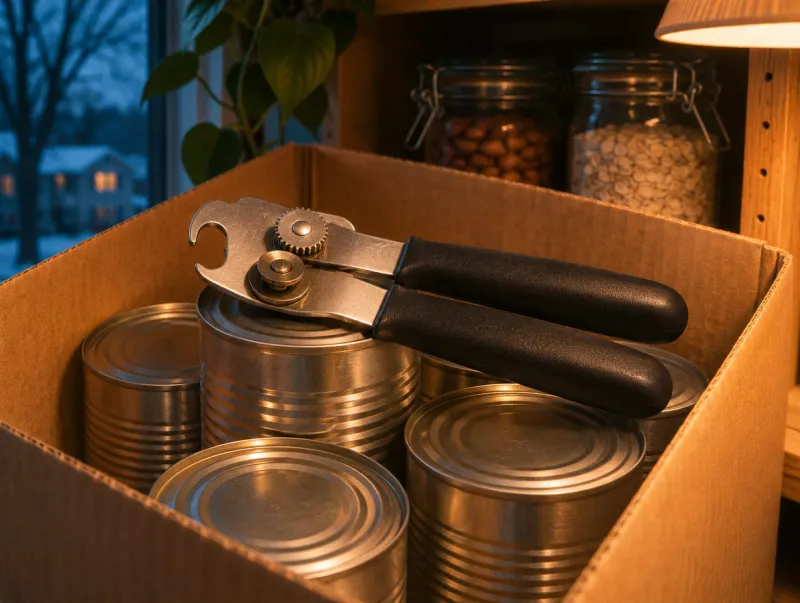 Manual can openerA can opener that works without power.
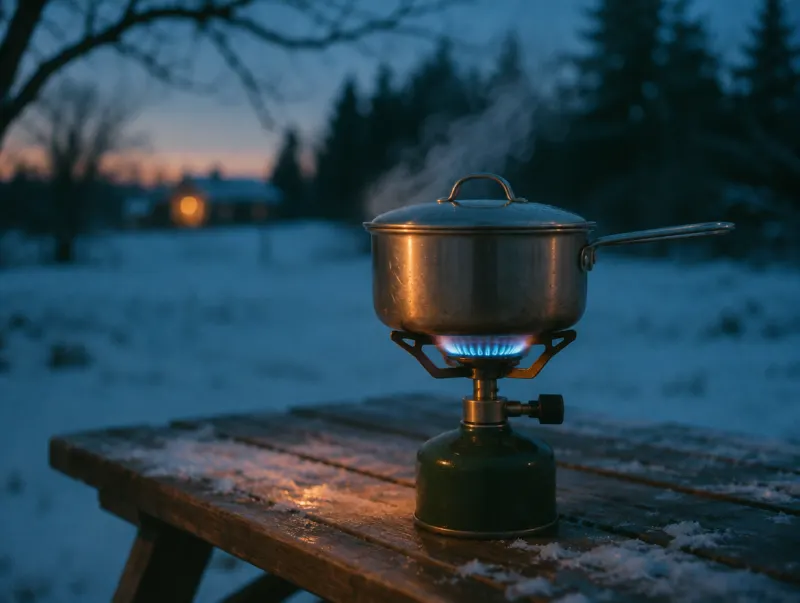 Camp stove or portable burnerA small fuel-burning stove, for cooking outdoors only.
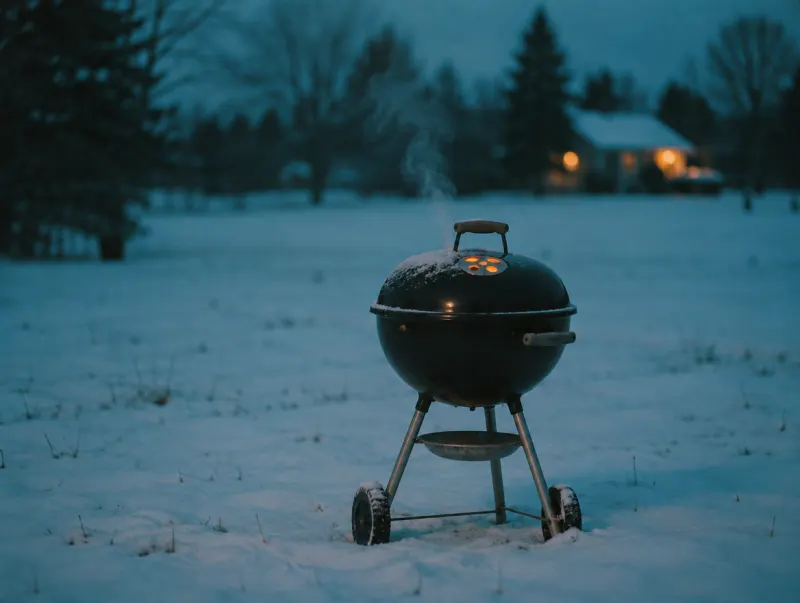 BarbecueThe grill many homes already have, gas or charcoal, used outdoors only.
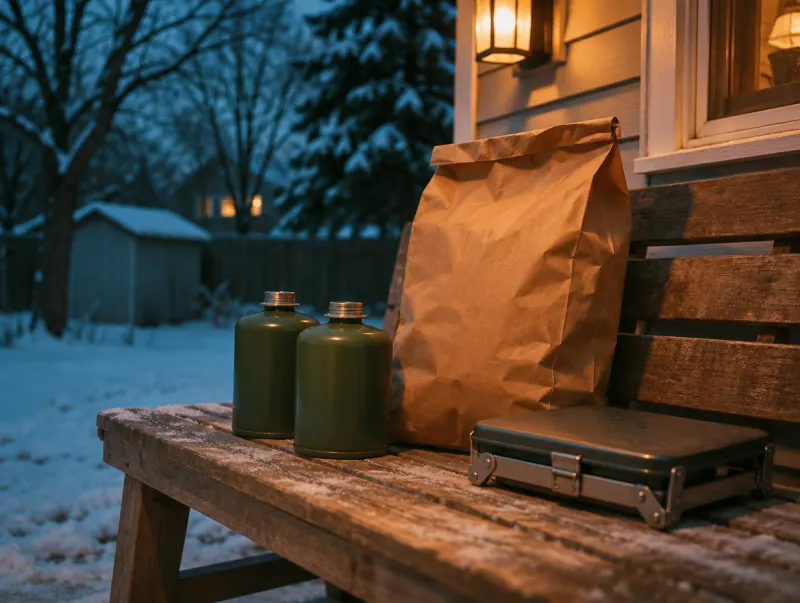 Stove fuelCanisters, a propane tank or charcoal, matched to your stove.
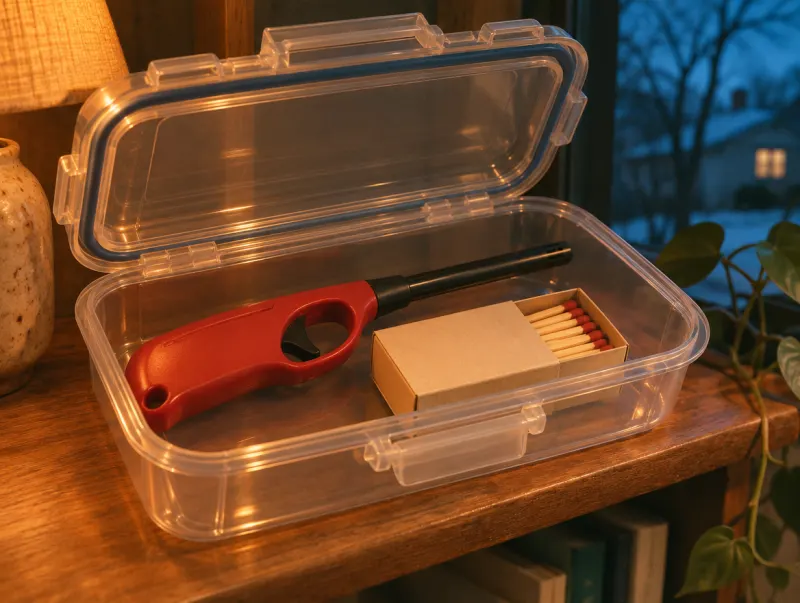 Lighter and matchesBoth, kept in a dry container beside the stove.
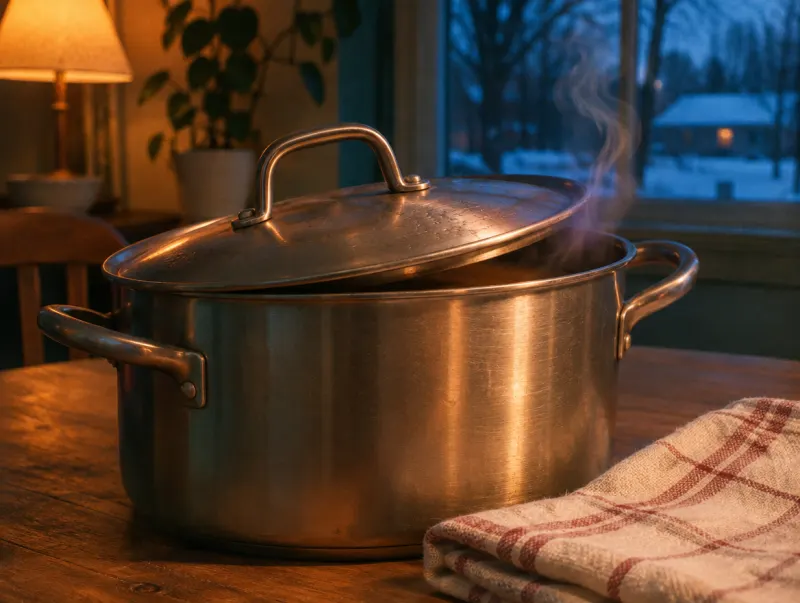 Pot with a lidA pot you can put on an outdoor stove, with a lid that fits.
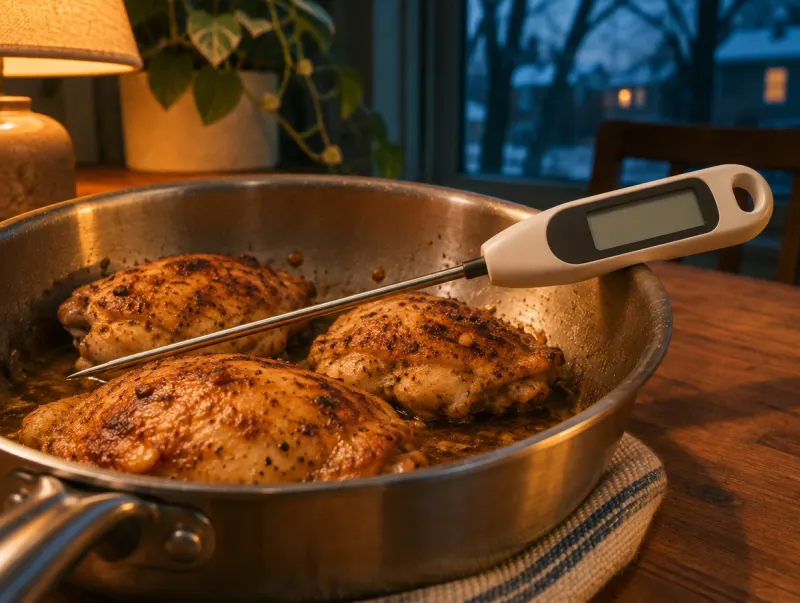 Digital food thermometerA probe thermometer for checking food.
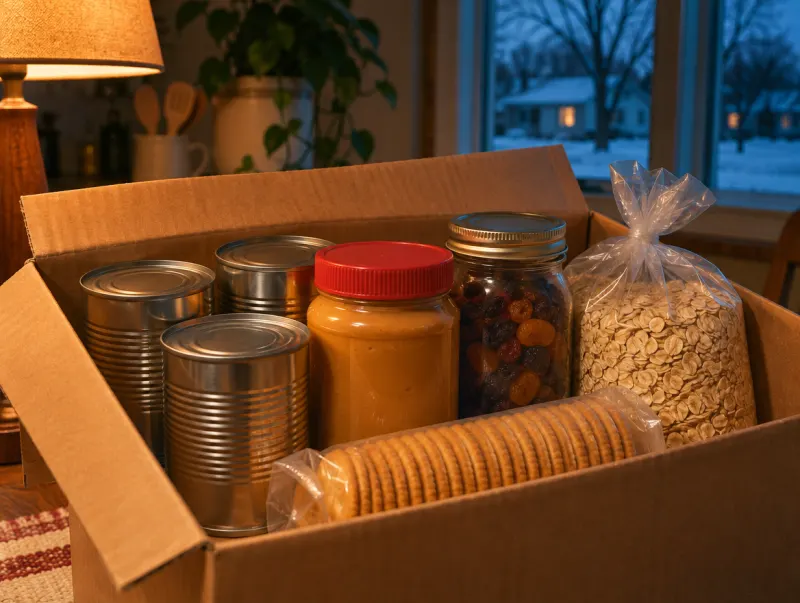 Canned and dry food you already eatFood that keeps without a fridge, chosen from what your household eats anyway.
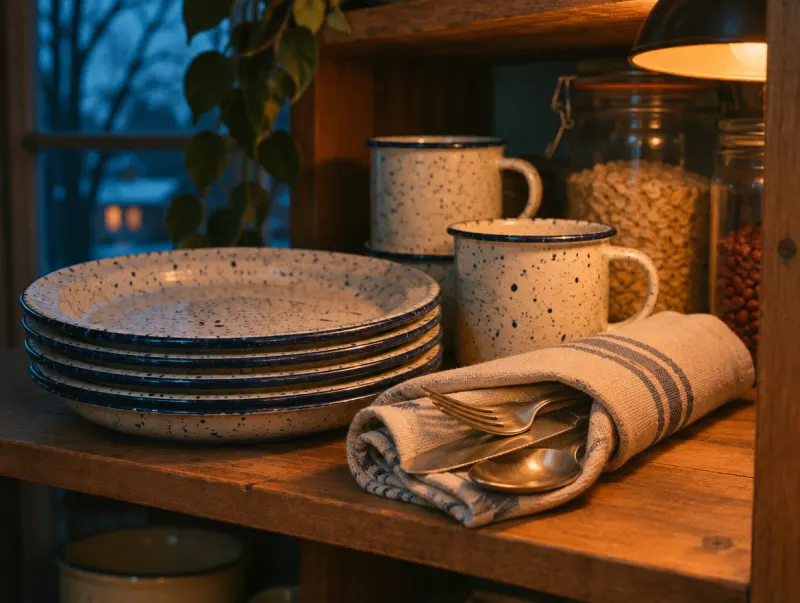 Plates, cups and cutlerySomething to eat from and with, kept with the food.
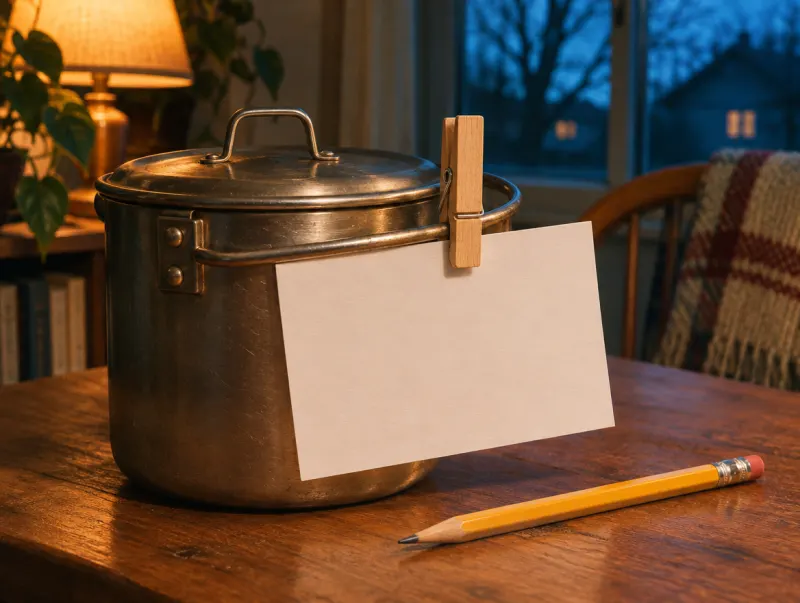 Meal cardsA few one-pot meals written on a card, with the water and the time each takes.
Knowing how beats owning more
Members do one small challenge a week, keep a private plan for their home, and compare notes under a handle. Nobody is ever asked what they have.
Open it in the app