Power out for a night
Light you can find in the dark, news without the internet, and a hot meal cooked safely.
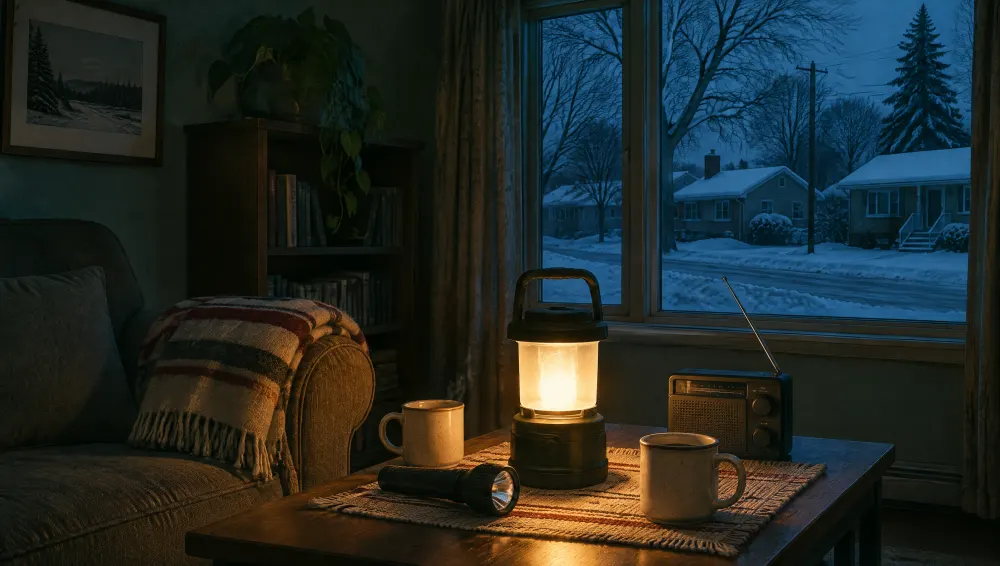
What helps
23 things. Open one to see what it's for here and what can stand in for it.
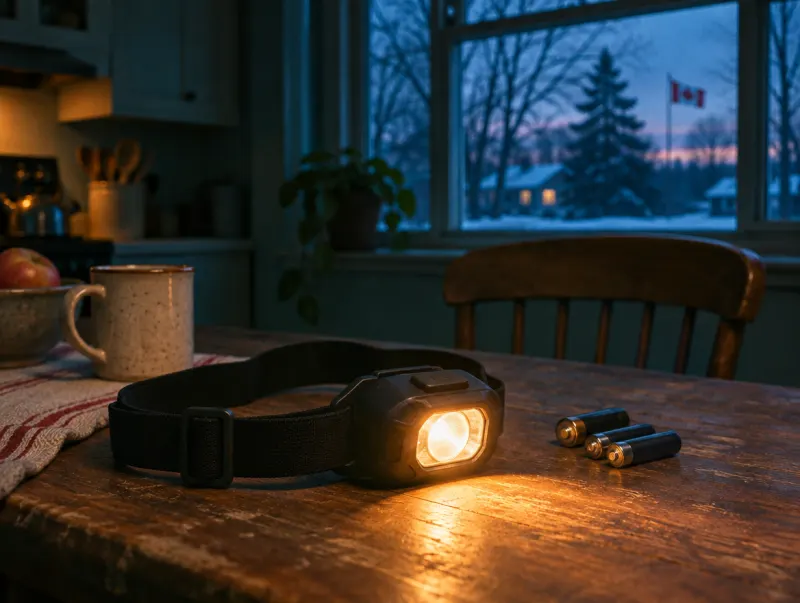 HeadlampA small light worn on your head, so both hands stay free.
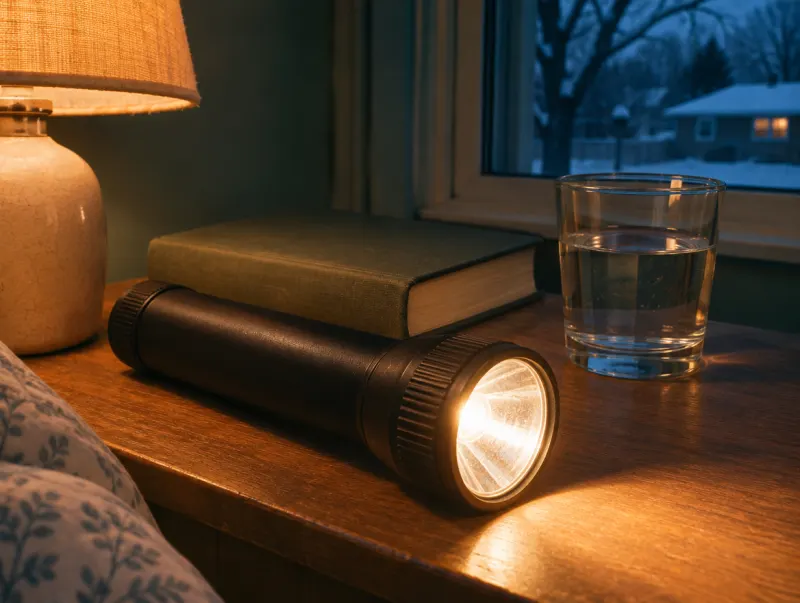 FlashlightA hand-held light you can point and pass to someone else.
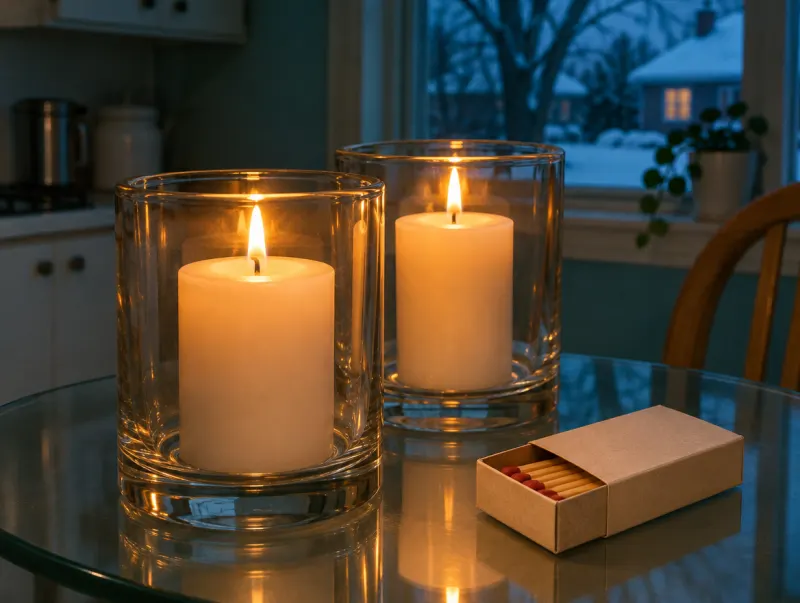 CandlesLight that needs no batteries, and the riskiest way to light a room.
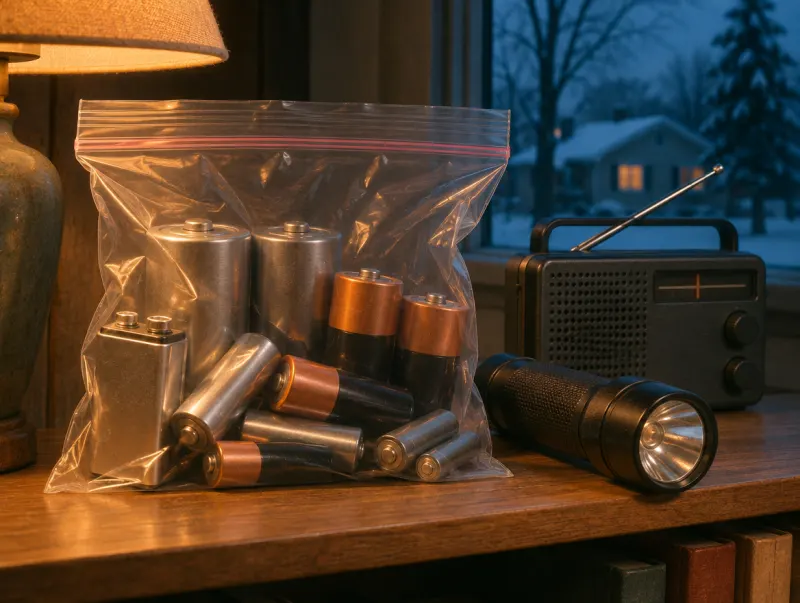 Spare batteriesThe right sizes for your lights and radio, kept together in one bag.
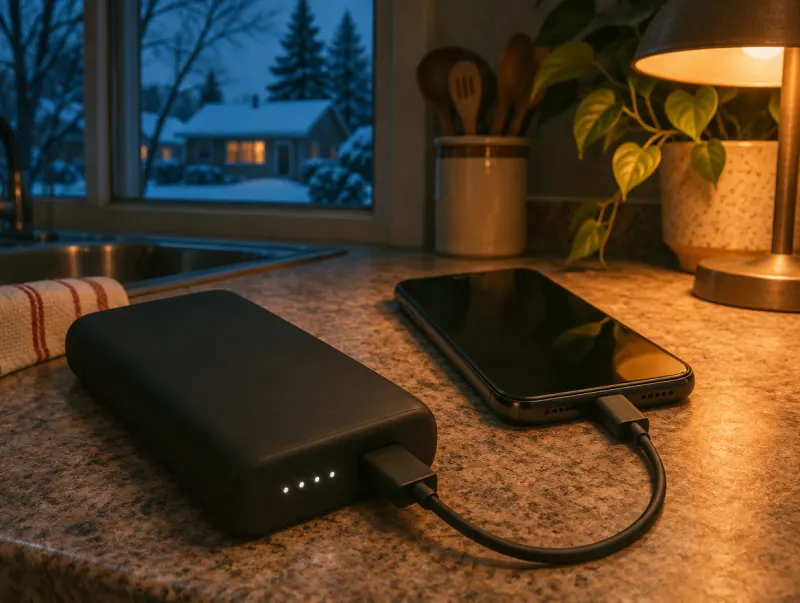 Power bankA battery pack that charges a phone or anything else that charges by USB.
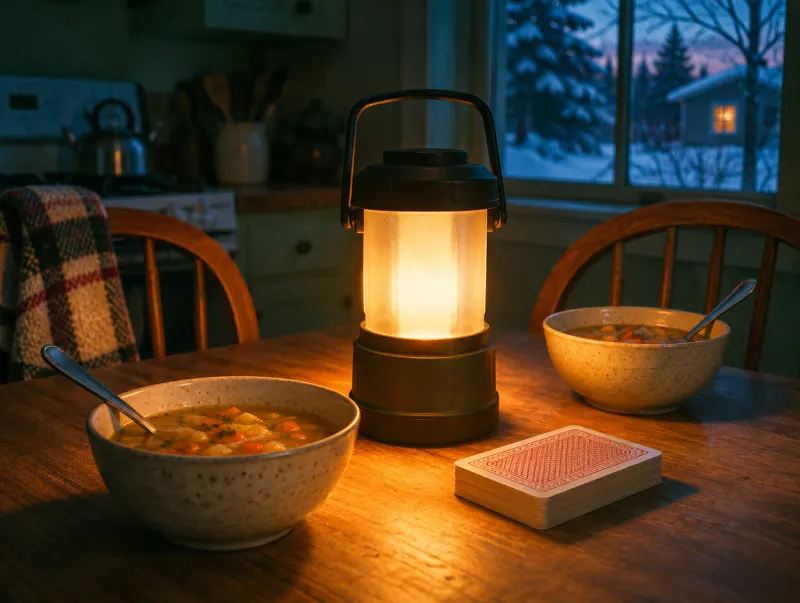 Battery lanternA battery light that stands on a table and lights a whole room.
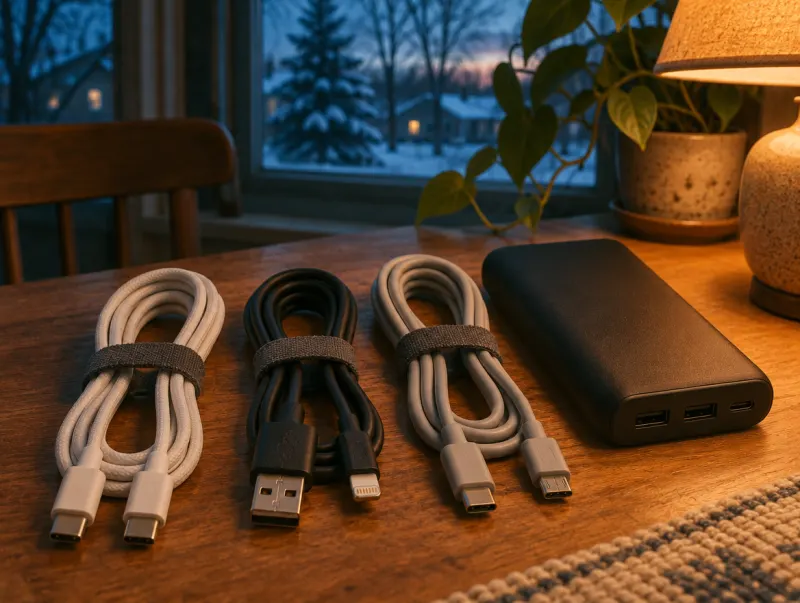 Charging cablesThe right cable for each phone and light, kept with the power bank.
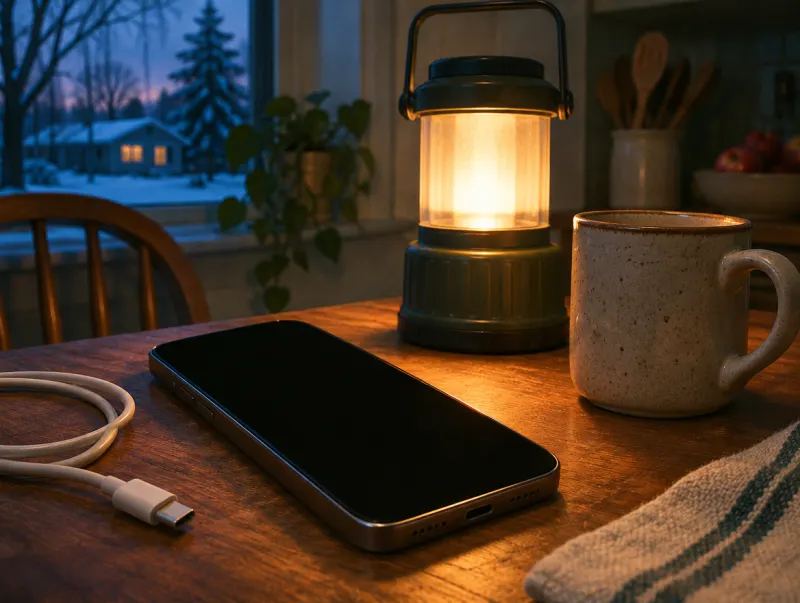 Mobile phoneThe phone you already carry, kept charged and used sparingly in an outage.
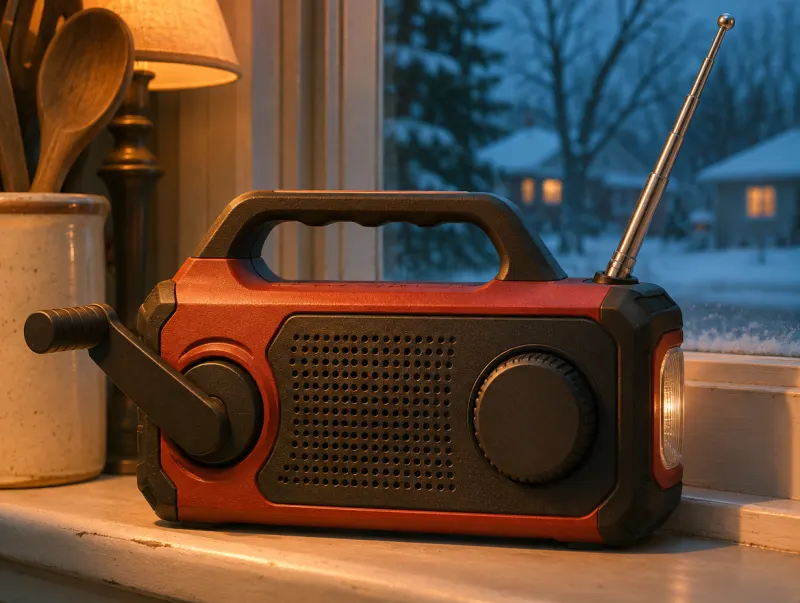 Battery or wind-up radioA radio that runs on batteries or a hand crank, with no internet needed.
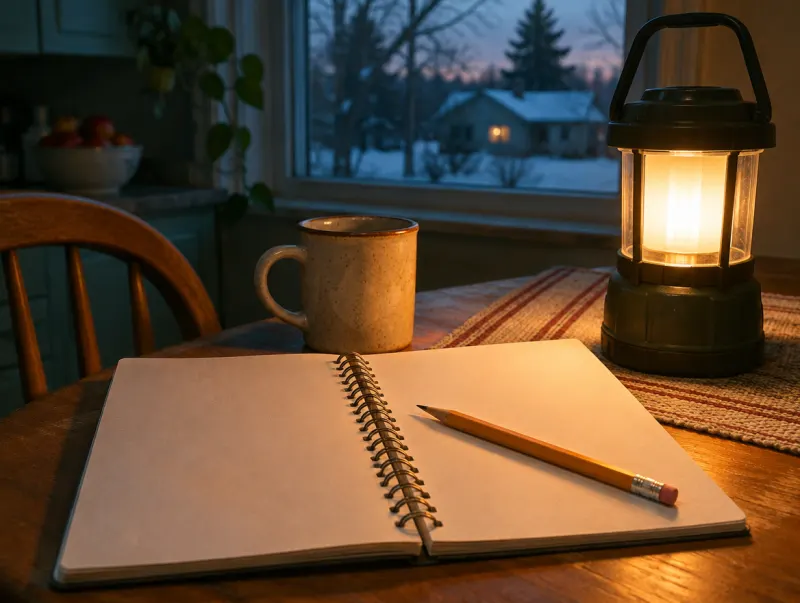 Notebook and pencilPaper that needs no battery, and a pencil that never runs dry.
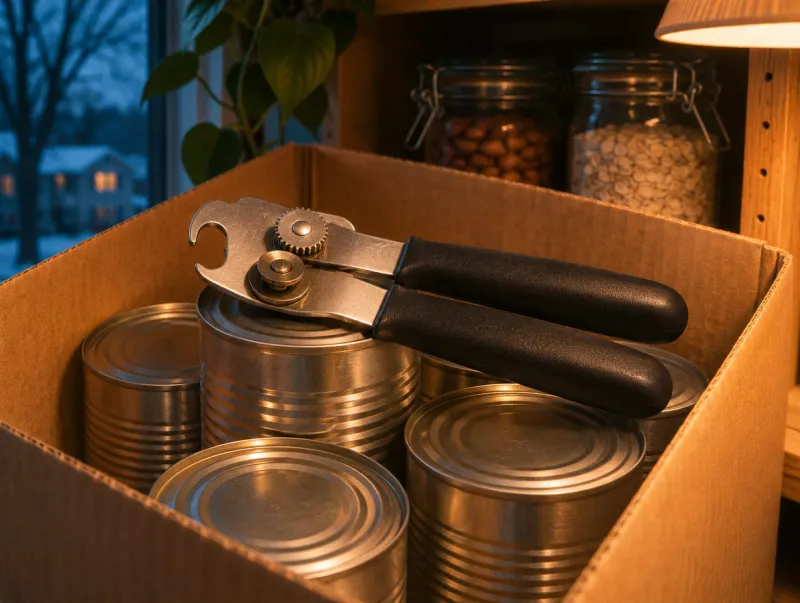 Manual can openerA can opener that works without power.
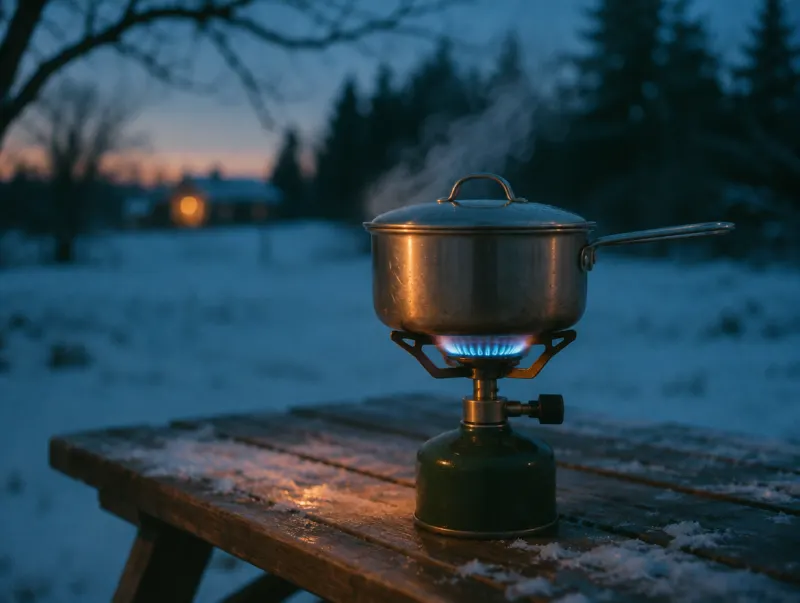 Camp stove or portable burnerA small fuel-burning stove, for cooking outdoors only.
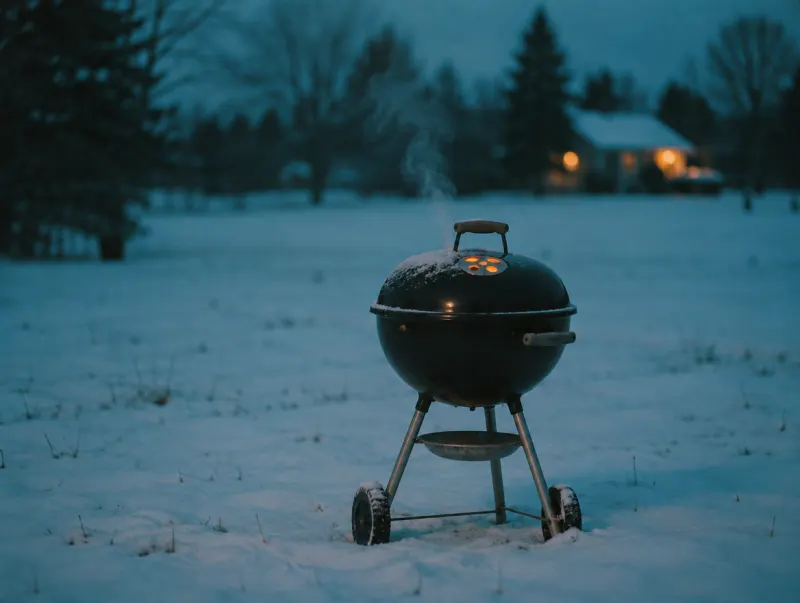 BarbecueThe grill many homes already have, gas or charcoal, used outdoors only.
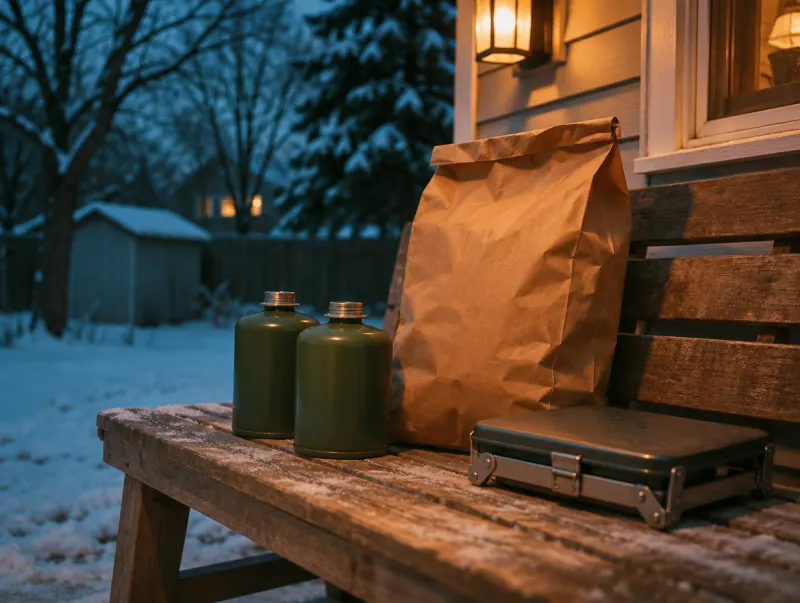 Stove fuelCanisters, a propane tank or charcoal, matched to your stove.
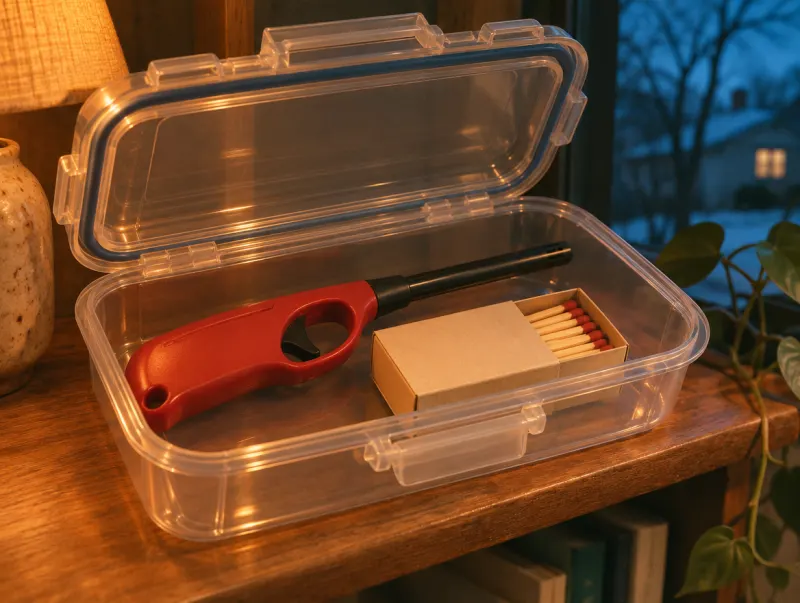 Lighter and matchesBoth, kept in a dry container beside the stove.
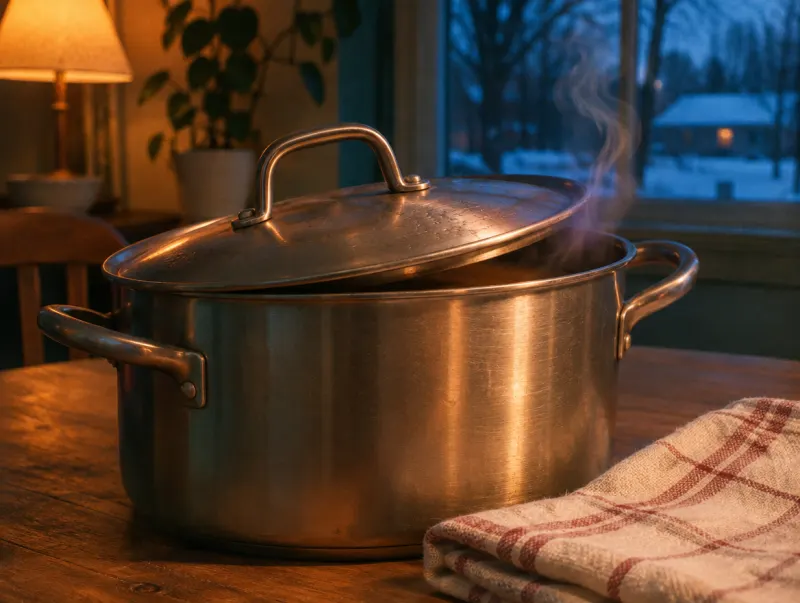 Pot with a lidA pot you can put on an outdoor stove, with a lid that fits.
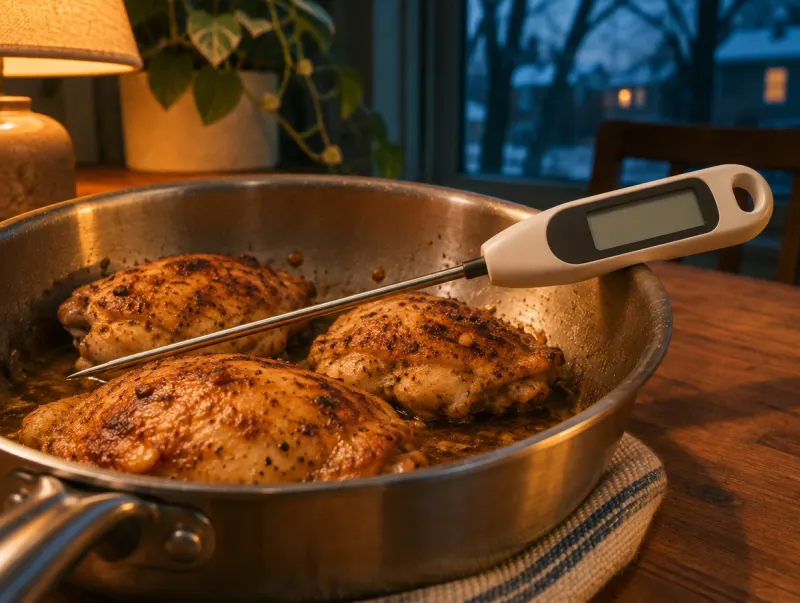 Digital food thermometerA probe thermometer for checking food.
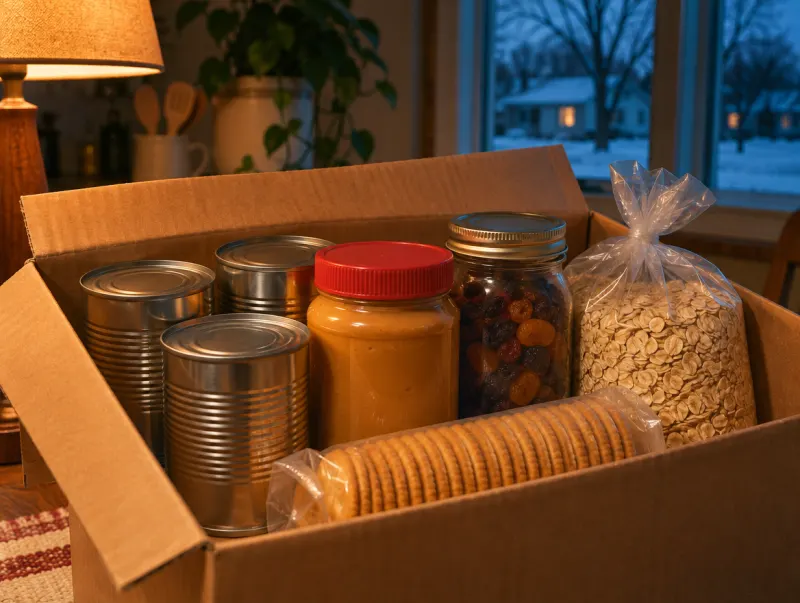 Canned and dry food you already eatFood that keeps without a fridge, chosen from what your household eats anyway.
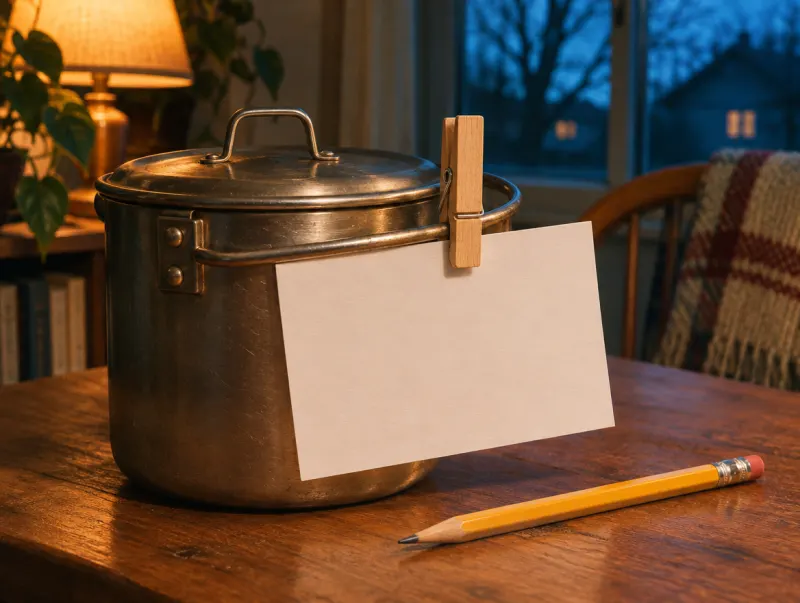 Meal cardsA few one-pot meals written on a card, with the water and the time each takes.
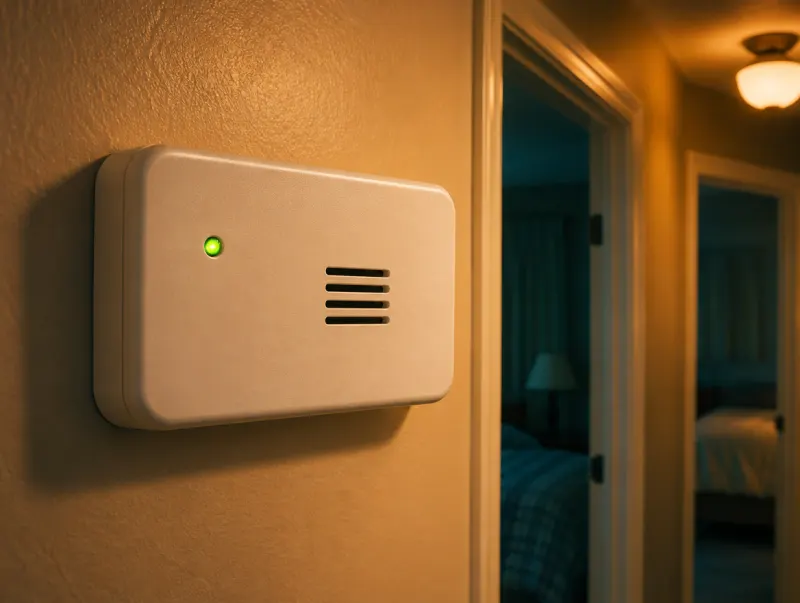 Carbon monoxide alarmAn alarm that warns you about a gas you can't see or smell.
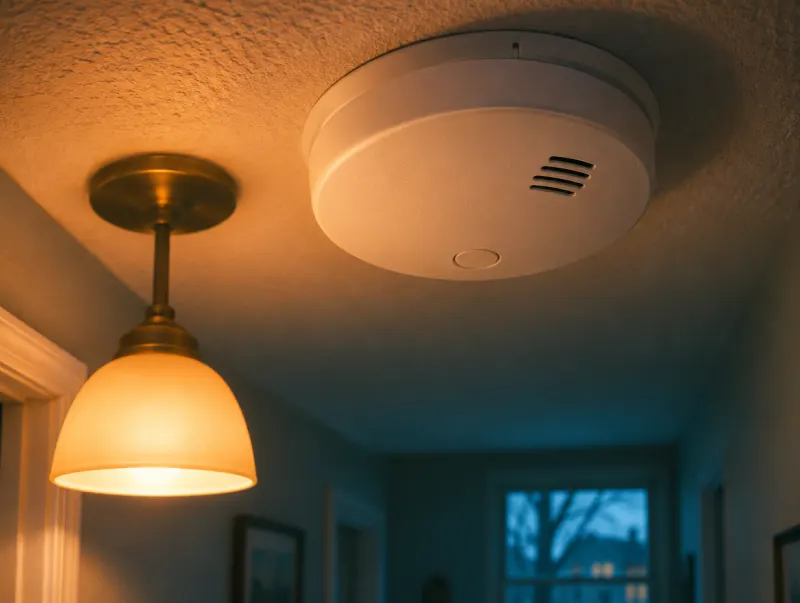 Smoke alarmThe alarm on your ceiling, tested so you know it works.
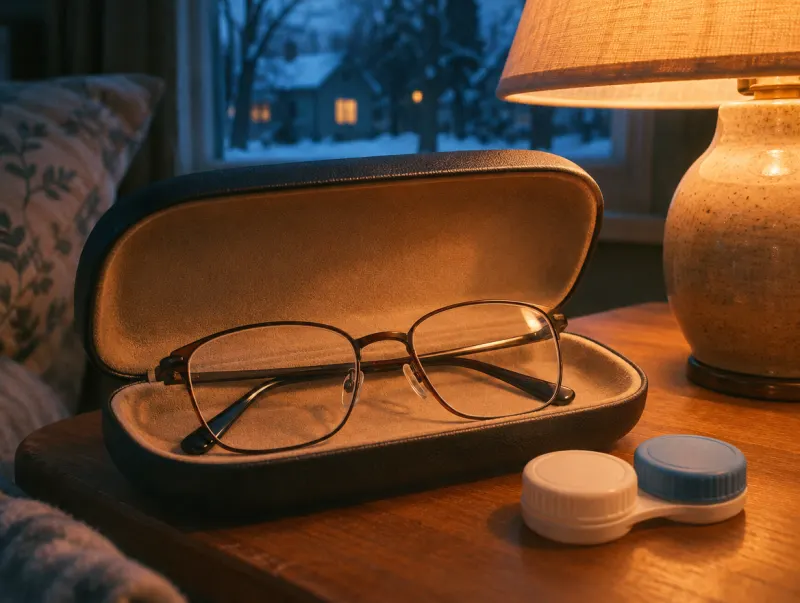 Spare glassesAn old pair of glasses or spare contact lenses, kept with your kit.
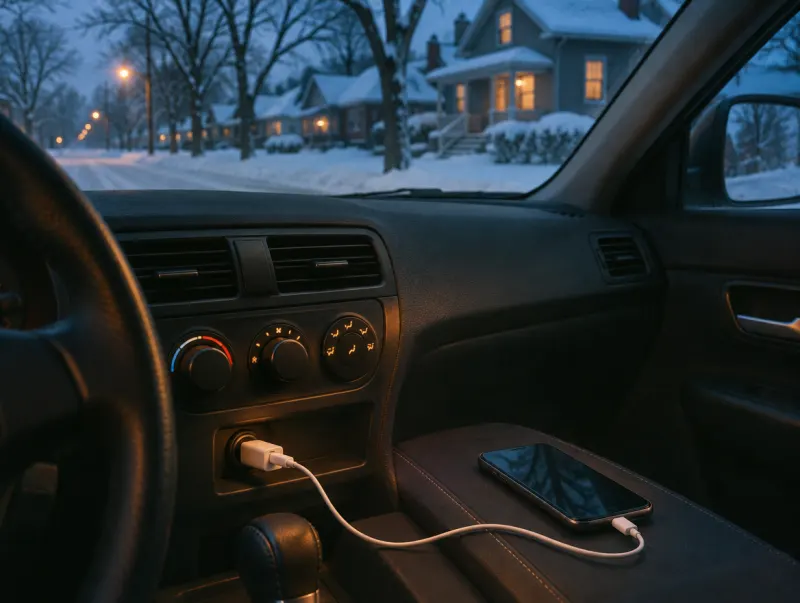 Car phone chargerA plug-in charger that lets the car charge a phone.
Practise it
Having the things is the small part. These lessons end in something you can do.
- Lights outLight you can find in the dark in every room you'd use, and a phone that stays charged.About 20 minutes · Low cost
- A practice outage nightYou've spent an evening without lights on purpose, and you know three things you'd change.About 2.5 hours · Free
- A hot meal with the power offA safe way to cook when the power is out, fuel to run it, and a card of three one-pot meals, one of them cooked on it.About 1.5 hours · Low cost if you already have a barbecue or camp stove, otherwise the price of a small stove and fuel
In an emergency, call 911. WeVenture isn't an emergency service.
This guide says what things are for. It's a plain summary, not a guarantee, and it never asks what you have. Amounts, times and distances are in the lessons, beside the official pages they come from.
Where this comes from
- Canada: power outages
- Canada: emergency kit checklist
- ISED: steps to stay connected
- Health Canada: food and water in an emergency
- Health Canada: carbon monoxide
- Ontario: power outages and blackouts
- Health Canada: well safety during and after emergencies
- Canada: extreme cold
- Ontario: fire safety at home, power outages
- BC Hydro: safe distance from downed power lines
- Ontario: be prepared for an emergency
- Health Canada: extreme cold and your health
- Nova Scotia: extreme cold health safety tips
Get ready for it with other people
One small challenge a week, done at home, then compared with other people under a handle you pick.
Open it in the app