Growing and keeping your own food
A first garden bed, jars on the shelf, and a pantry that gets eaten.
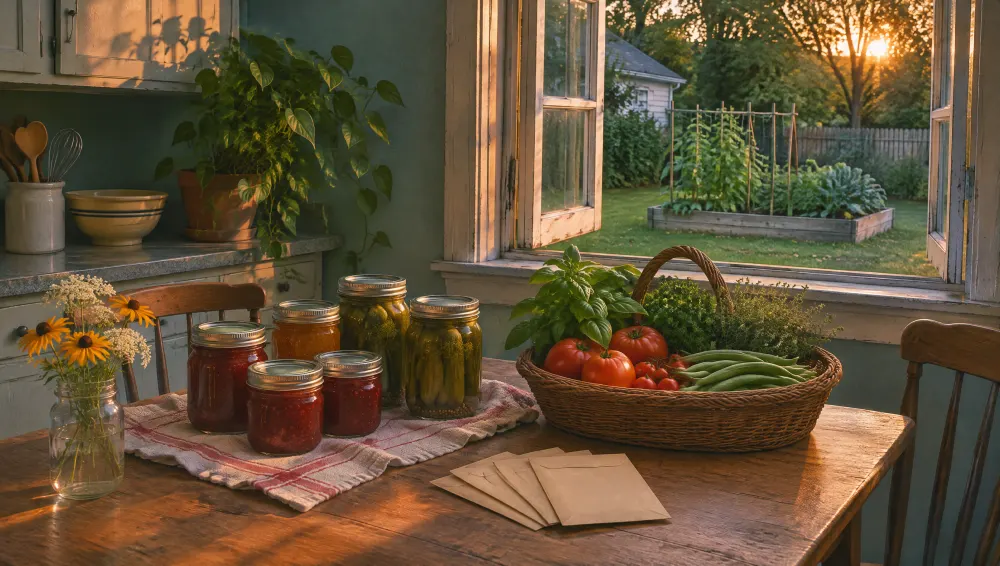
What helps
7 things. Open one to see what it's for here and what can stand in for it.
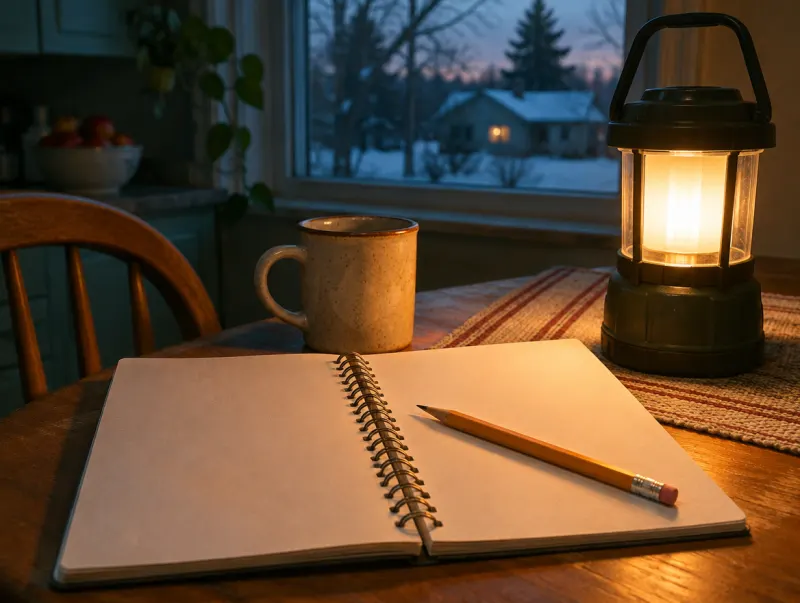 Notebook and pencilPaper that needs no battery, and a pencil that never runs dry.
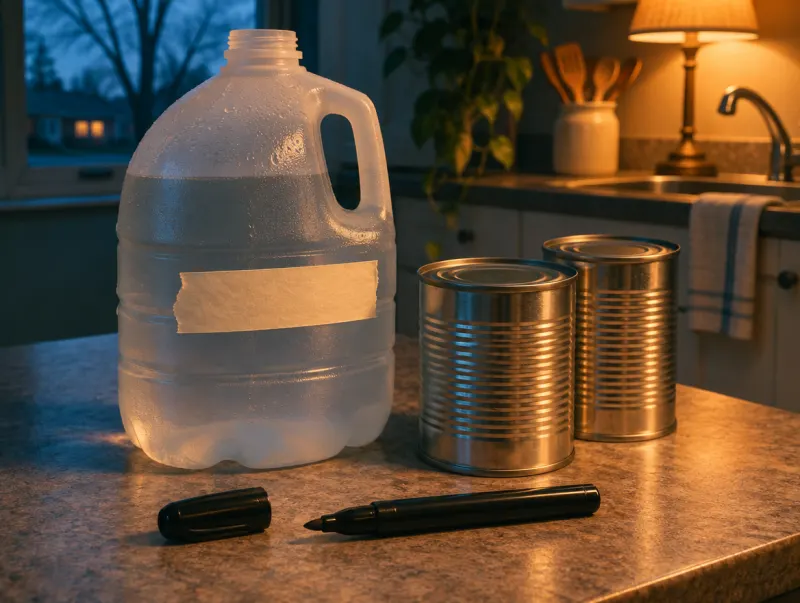 Permanent markerA marker that won't wash off.
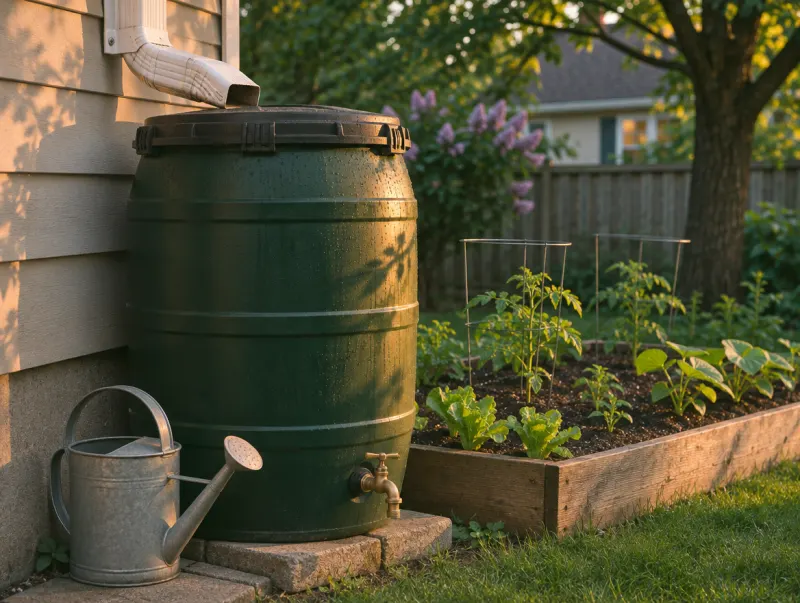 Rain barrelA covered barrel that catches rain from a downspout, for the garden, not for drinking.
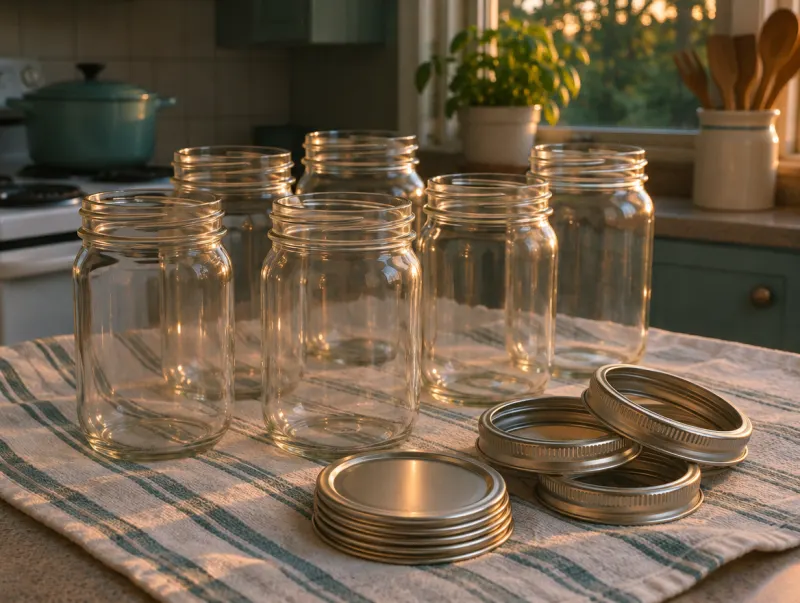 Canning jars and new lidsJars made for canning, with new self-sealing lids.
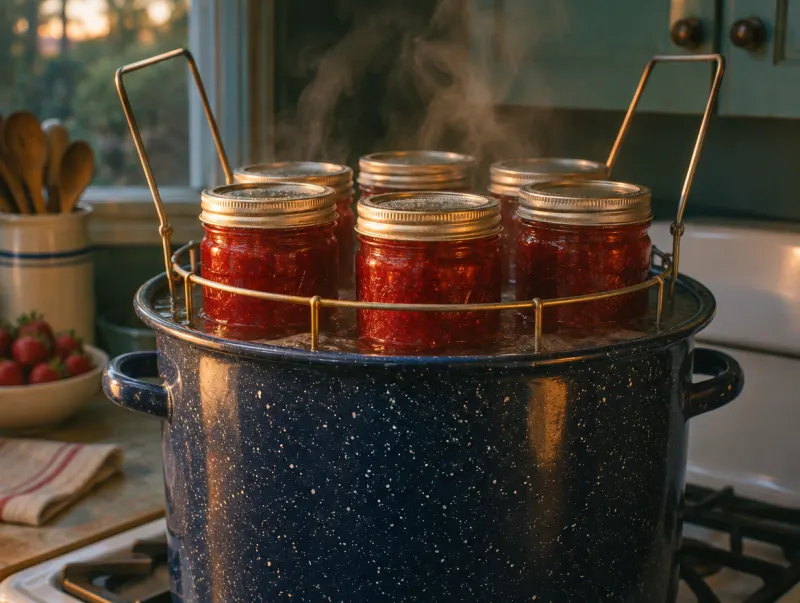 Boiling water cannerA deep pot with a rack, for canning high-acid foods like fruit, jam and pickles.
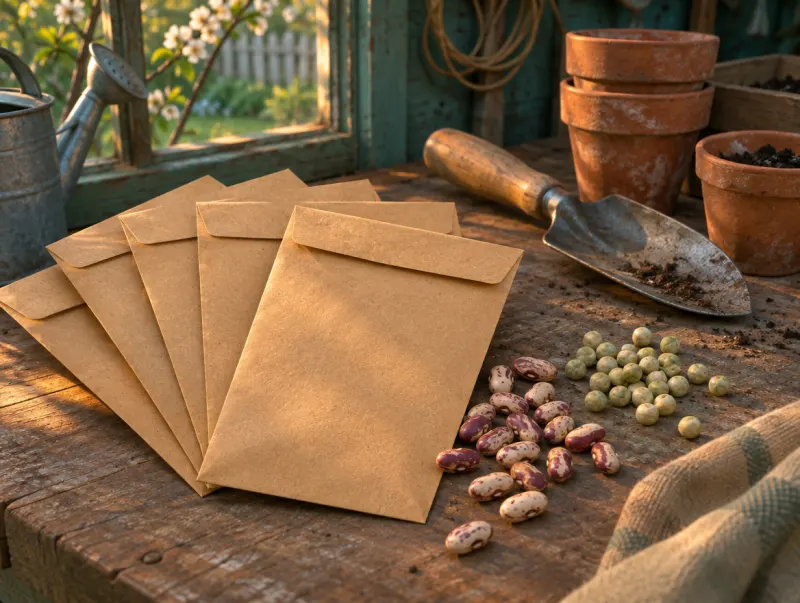 Seed packetsSeeds for a handful of things your household already eats.
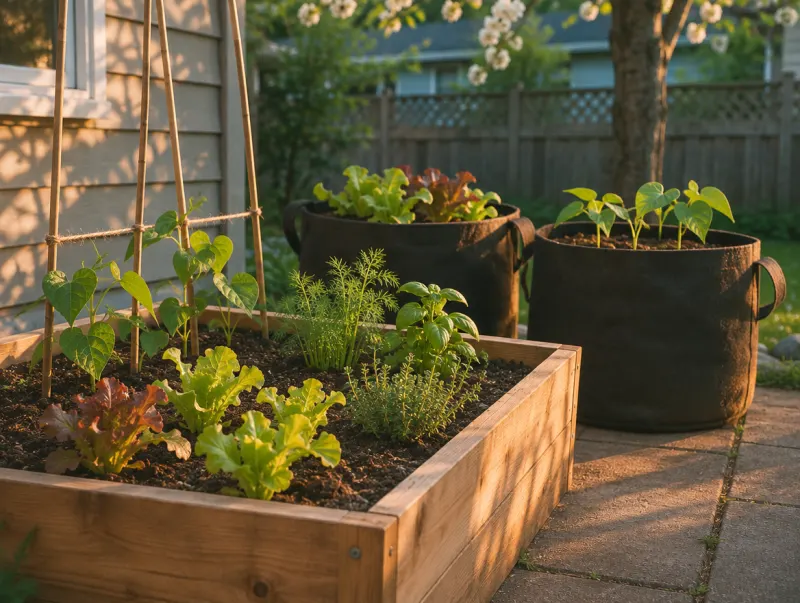 Raised bed or large containersOne bed or a few big pots, which is plenty for a first year.
Practise it
Having the things is the small part. These lessons end in something you can do.
- A first food garden for your zoneA small garden bed or a few containers of food your household eats, chosen with your plant hardiness zone in mind, and notes for next year.About 2 hours · Low cost: seeds, soil and a few containers
- Safe water-bath canningA first batch of high-acid food, like jam or pickles, canned with a tested recipe, labelled and stored the safe way.About 3 hours · Low cost if you borrow a large pot and buy new lids
- A three-month pantry you actually eatA pantry rotation system where the oldest food gets eaten first, so it grows toward three months without anything going to waste.About 60 minutes · Spread over regular shopping
In an emergency, call 911. WeVenture isn't an emergency service.
This guide says what things are for. It's a plain summary, not a guarantee, and it never asks what you have. Amounts, times and distances are in the lessons, beside the official pages they come from.
Where this comes from
Get ready for it with other people
One small challenge a week, done at home, then compared with other people under a handle you pick.
Open it in the app