Stay warm when the heat goes out
A warm room you can set up quickly in a winter outage, heat that's safe to use indoors, and pipes that won't freeze.
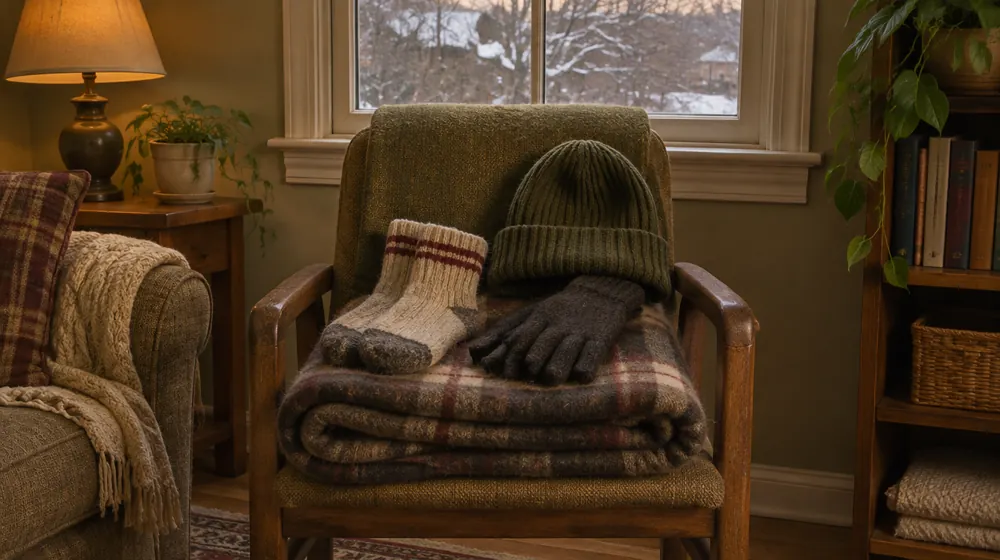
- About 60 minutes
- Free to low cost
Steps
- Get ready before winterHave your furnace checked every year, and clean a wood-burning chimney every fall. Seal cracks and drafts. Make sure your carbon monoxide alarms have battery backup and sit in hallways outside sleeping areas.
- Choose your warm roomPick the room everyone would gather in. In an outage, close off the rooms you aren't using and block drafts.
- Layer up and stay dryWear dry layers of wool, polyester or nylon rather than cotton, cover your head and wrap up in blankets. Change out of anything wet or sweaty right away. Moving around warms you up, but stop before you sweat.
- Heat only with what's safe indoorsA natural gas fireplace can keep you warm until the power is back. Never heat with a gas stove, and never bring a barbecue, camp stove or fuel-burning generator inside, including into a garage, basement or shed. Run a generator at least 6 metres (20 feet) from any building.
- Protect your pipesIf the pipes can't be kept above freezing, run a trickle of water. In a long winter outage, Canada advises draining the water from your plumbing, so learn how to shut off your water system before you need to.
- Know the signs, and when to goShivering, clumsy movements, poor judgement and trouble speaking clearly are early signs of hypothermia. Confusion, extreme sleepiness or slow, shallow breathing mean call 911. If your home gets too cold to stay safe, go somewhere heated. Ask your municipality whether it opens warming centres.
Be careful
If a carbon monoxide alarm sounds, leave right away, call 911 from outside and don't go back in until a qualified professional says it's safe.
When it's done
You can keep a household warm and safe through a winter outage.
Doing it together
Walk through each person's warm room plan and solve the trickiest one together. Then go over the early signs of hypothermia until everyone can name them.
In an emergency, call 911. WeVenture isn't an emergency service.
This lesson is a plain summary of the official advice cited below, not a guarantee, and no single plan fits every home. Follow local officials in a real emergency.
Where this comes from
How it went for people
Nobody has shared how it went yet.
Do it, then say how it went
Members mark lessons done, keep a private plan for their home, and compare notes under a handle.
Join to post